
Annual Report 2025
Stories of change
In 2025, governments across the world moved meaningfully towards regulating young people’s online lives – through age limits, social media bans, and sometimes stricter platform duties. While this was often driven by concerns about mental health and online harms, these measures sparked major debates about privacy, freedom of expression, and participation rights.
At the same time, young people remained highly active online as creators, activists, and protesters, using digital platforms for political mobilisation. All of this unfolded not only amid mounting global pressure on human rights more broadly, but also as technology evolves at a pace we’ve never seen before. Reconciling protection and safety with young people’s rights to access information, be heard, mobilise and shape digital spaces became ever more acute.
These issues are at the heart of RIGHTS Click, our six-year partnership with Amnesty International to protect and promote children and young people’s digital rights.
After the first phase of the programme, we took the time with our partners to reflect on key lessons and achievements of the initial years of the partnership, using them to sharpen our focus and renew our shared direction.
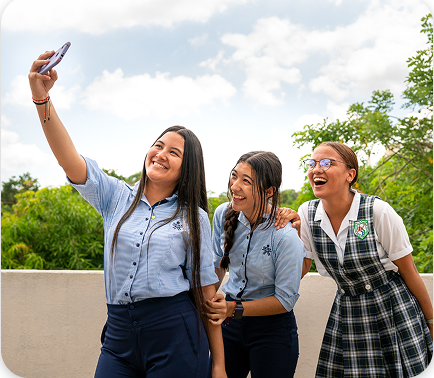
Learnings that stood out for us and shaped our work in 2025 include:
- The risks from digital technology are increasingly harmful to young people, making collaboration across borders and with diverse partners essential.
- With political instability and an increase in authoritarian practices across the world, there are ever more barriers to children and young people having their voices heard.
- Youth-led research and evidence collection are essential tools to help guide our actions and strengthen the case for defending youth digital rights.
- Staying flexible while leveraging key organisational strengths proves critical for programs to remain effective.

Building on these lessons, we’re continuing the collaboration with our partners at Amnesty International to help shape a digital future where technology is governed responsibly and the rights of children and young people are respected, protected, and upheld.
“The internet has the power to ignite creativity, spread knowledge, and build global connections. But we must build a digital ecosystem that values children as citizens with rights.”
Sheryl Awuor,
Winner of the Kenya Digital Rights Essay Competition
Since 2019, OurTanga (TangaYetu) has served as the local implementation programme of the OurCity initiative in Tanga, Tanzania. At its core, OurCity fosters a community-led, cross-sectoral collaboration process to envision what a young people-centred city can look like, working within and strengthening existing city systems.
Implemented through a partnership between youth, local government, civil society, and the private sector, OurTanga reflects the belief that sustainable urban change requires shared ownership across the entire ecosystem.
In recent years, OurTanga has taken a decisive step in translating evidence into action to improve youth wellbeing and opportunity in Tanga. Rooted in the Evidence to Action (E2A) approach, the initiative has evolved beyond isolated projects towards coordinated interventions that emphasise capacities and agency, improve coordination and policies, and provide catalytic support where it is most needed.
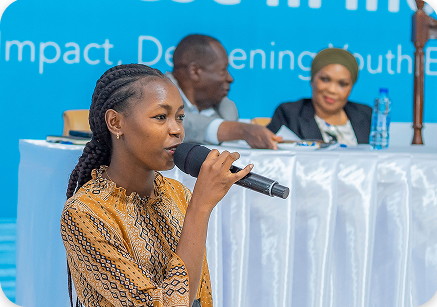
A defining feature of this progress has been youth ownership. Young people have been co-creators, shaping research, influencing priorities, and leading community initiatives. From designing health communications rooted in local culture – including the use of singeli music to spark dialogue – to contributing data that informs city planning, young people have demonstrated that solutions are most effective when grounded in lived experience. This shift has made interventions more relevant, trusted, and sustainable, while reinforcing young people’s role as civic actors.
Early and ongoing engagement with Tanga City Council has ensured that efforts are embedded within municipal structures, rather than operating in parallel. The establishment of a city urban observatory has supported data-driven decision-making, embedding youth-informed evidence into planning processes and reinforcing institutional collaboration.
Structured Youth Forums now provide safe and inclusive spaces for dialogue between young people and local authorities, connecting youth priorities directly to ward- and city-level planning and budgeting discussions. What began as engagement is increasingly translating into meaningful influence and leadership.
Looking ahead, the focus is on deepening the local ecosystem and sustaining a longer-term horizon for change, moving from short-term project implementation toward enduring, community-owned transformation, envisioned and shaped by the young people and wider community of Tanga.