


Reimagining the future of public education:
Young people as co-creators for holistic learning.
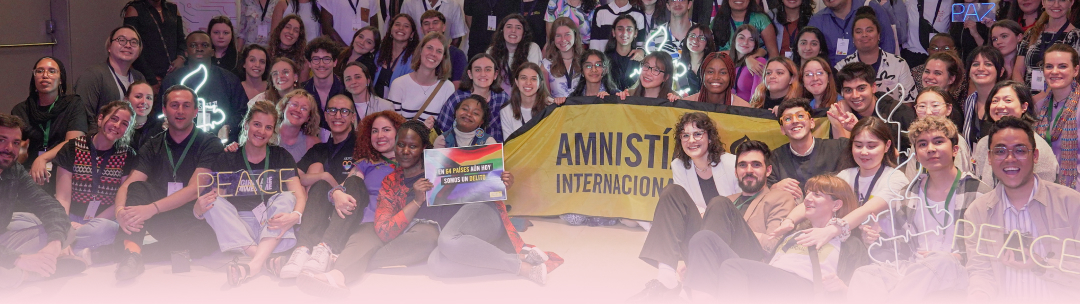
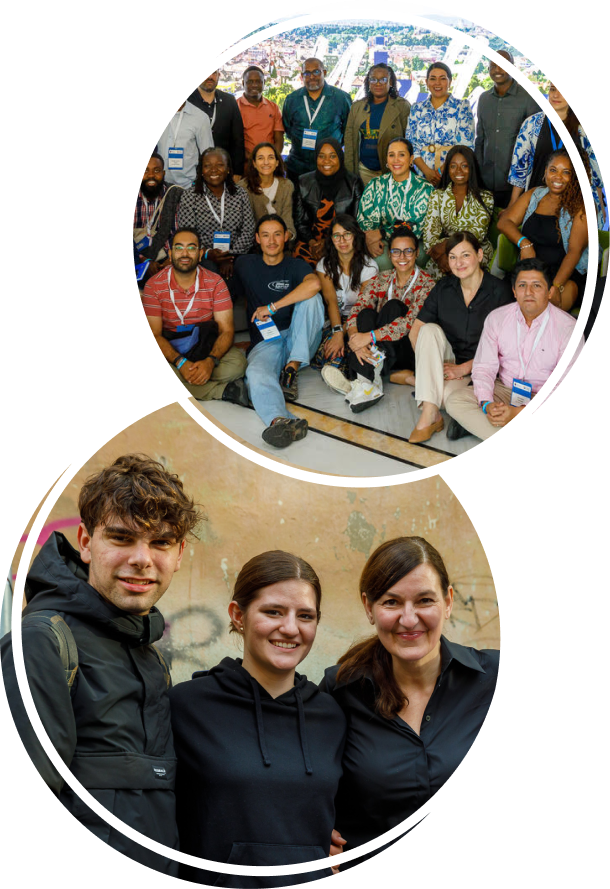
On this International Day of Education, the theme of ‘The Power of Youth in Co-Creating Education’ reminds us that education is a human right, a public good and a shared responsibility, and that it should be shaped by those it is intended to serve.
Young people today are growing up in a time of profound global change, with climate change and environmental emergencies, digital disruption, social upheaval, increasing inequities, and economic uncertainty fundamentally reshaping their lives. Yet public education systems remain largely unchanged, often prioritising a narrow set of academic outcomes over the social, emotional, and life skills that young people need to thrive in today’s world.
At Fondation Botnar, we are committed to supporting this change. We have given new emphasis to the role of education in improving young people’s wellbeing through our refined philanthropic strategy, Pathways to Young People’s Wellbeing, including the goal of supporting the transformation of public education systems into thriving learning ecosystems.
We work with and for young people of all backgrounds to enhance their wellbeing, now and in the future. This includes recognising young people not only as beneficiaries of education systems, but as active contributors to shaping them. Transforming public education systems, alongside our priorities in mental health, sustainable city systems, and an equitable digital transformation, is one of four interconnected themes where we believe we can contribute to making the greatest impact.
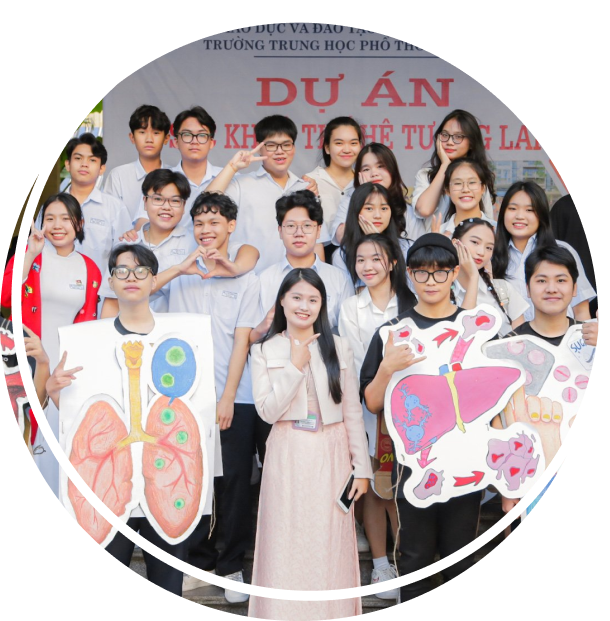
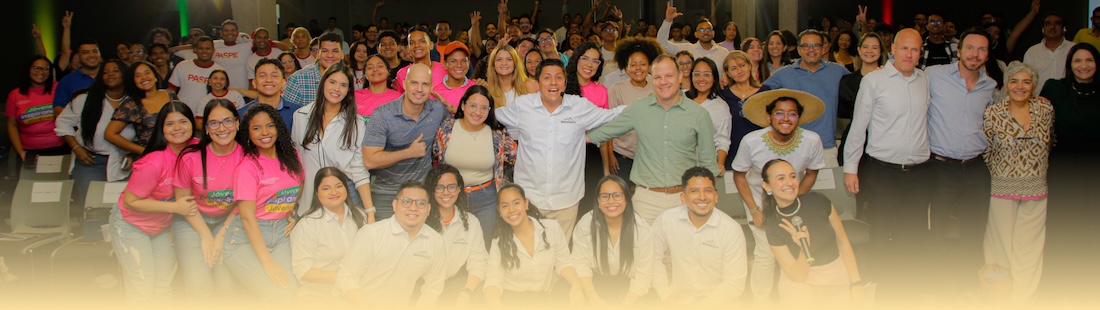
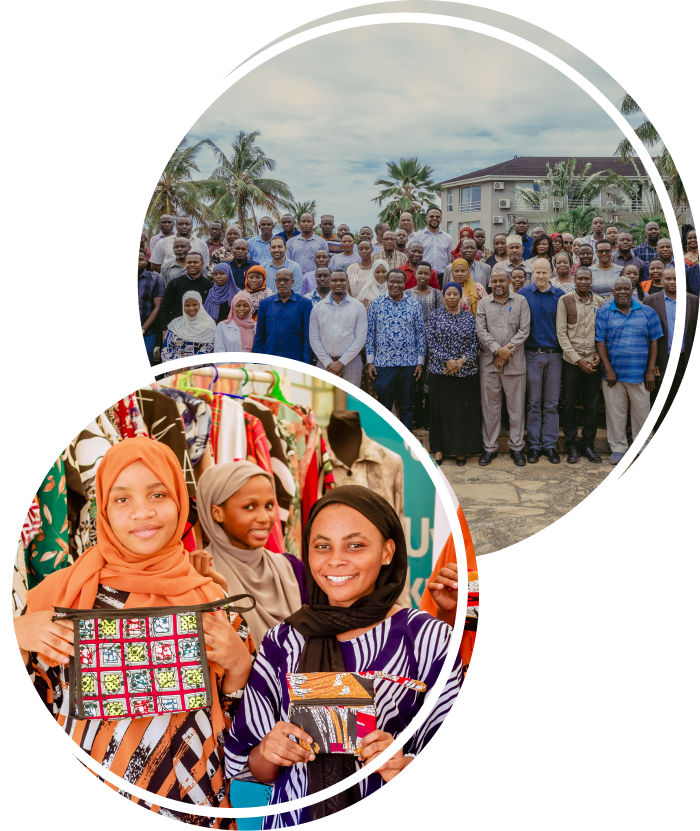
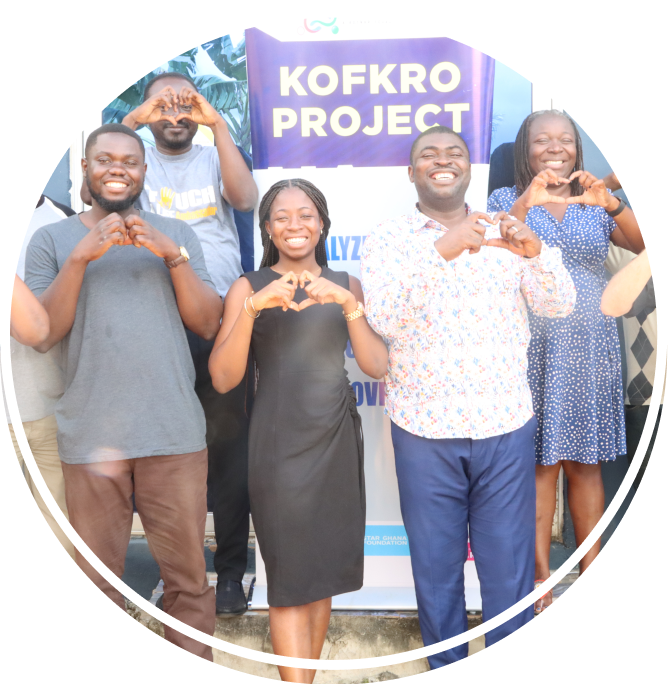
Our approach to reimagining public education is aligned with a growing network of international experts and draws on our experience supporting educational interventions in countries such as Colombia, Ecuador, Ghana, Tanzania, Romania, and Vietnam.
Learning from experience
By engaging with young people globally, we have heard that education systems often fall short of supporting their needs. At the same time, we have met teachers, school leaders, and education innovators around the world who are developing agency and holistic life skills in young people. Yet, they are often underappreciated, under-resourced, and disconnected from each other. By connecting, supporting, and recognising these changemakers, we believe we can create learning ecosystems that have wellbeing, agency, and holistic development at their heart and prepare young people to navigate the challenges of today and tomorrow.
What we’ve learned so far:
- Trust matters as much as policy. We need to focus as much on trustful relationships as we do on the technicalities of implementing new policies or programmes.
- Education systems are living ecosystems, not cold machines. They are not just policies, curricula, assessments, or buildings, but are shaped every day by how people teach, learn, lead, and work together.
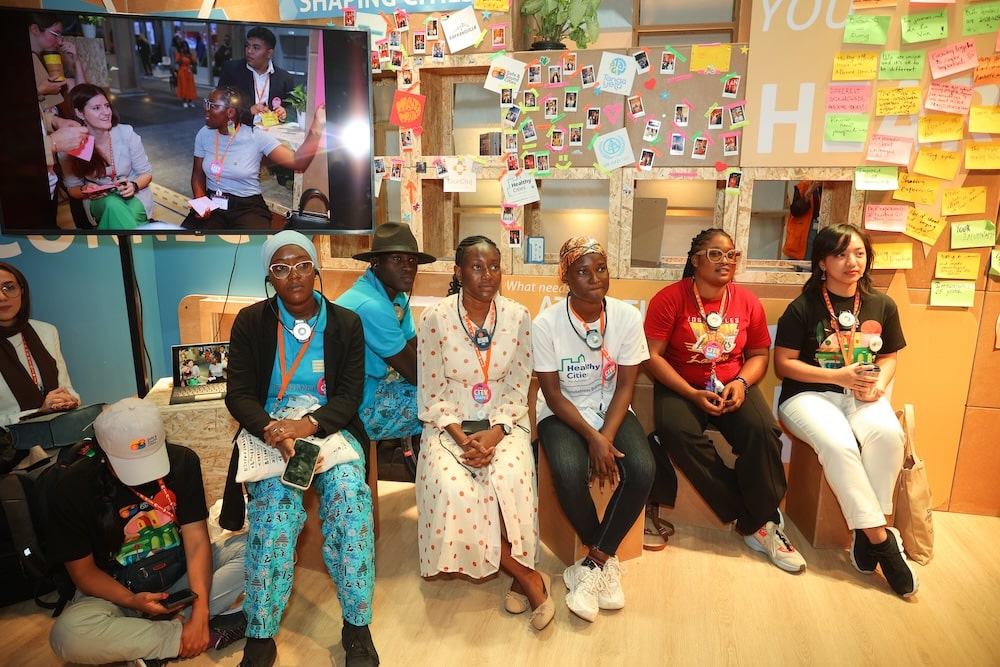
- Spaces for collaboration are essential. Thriving learning ecosystems are rooted in creating spaces for students, families, communities, educators, and administrators to come together as equals, to dream, learn, and shape their own systems and futures together.
A thriving learning ecosystem
For us, an effective learning ecosystem is a diverse and trustful community, working and learning together with the shared purpose of providing safe and inclusive environments and experiences that enable all young people to learn to thrive together.
Decades of global research and practice in education reform have led us to acknowledge that, alongside literacy and numeracy, education should enable young people to cultivate the agency to care and act for the wellbeing of themselves, other people, and the planet, together. This requires holistic growth, encompassing qualities such as empathy, curiosity, critical thinking, resourcefulness, resilience, and a love for life. Achieving this through education means ensuring that educators have the capacity, motivation, and support to nurture young people’s agency and development, and that education policies and resources are fully aligned with this mission.
Our systems change approach
Systemic change in education is slow, and there are no quick fixes. That’s why lasting transformation requires long-term, flexible investment that gives partners the stability and space they need to drive meaningful change. Because no single intervention can shift a system, we support portfolios of interconnected, mutually reinforcing projects that drive change across multiple levels. And since systemic change is always rooted in context, our work begins at the local level, ensuring that approaches respond to local realities, possibilities, and needs, including the voices and perspectives of young people themselves, while also offering pathways to national and global change.
Cities as catalysts of change
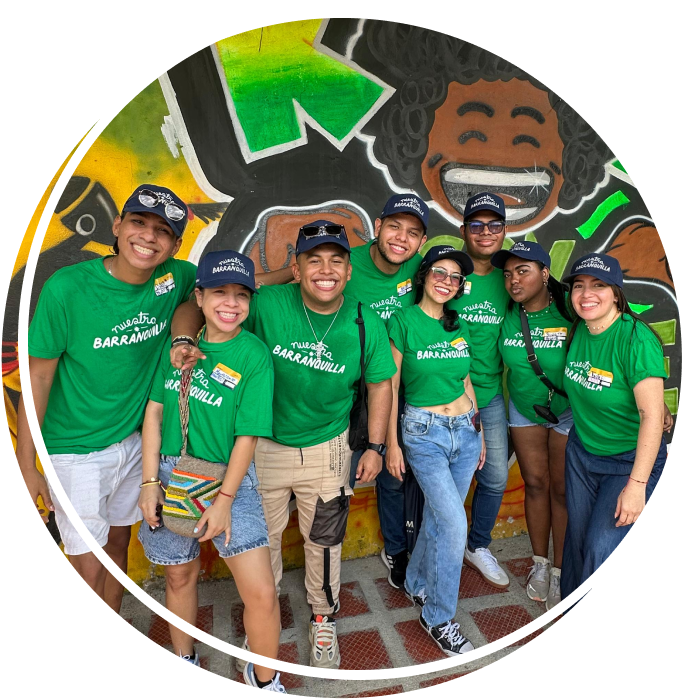
Today’s global population of young people is the largest in history, and most are set to live in cities by 2050. Our commitment to locally rooted change processes comes to life in cities, and we have chosen to concentrate our resources on a small number of them. Here, we work with partners to implement programmes that build on successful initiatives, connect diverse actors, deepen trustful relationships, and help create effective learning ecosystems. Lessons learnt at city level can inform national policies and global frameworks, which can then be adopted by other cities.
Young people as co-creators
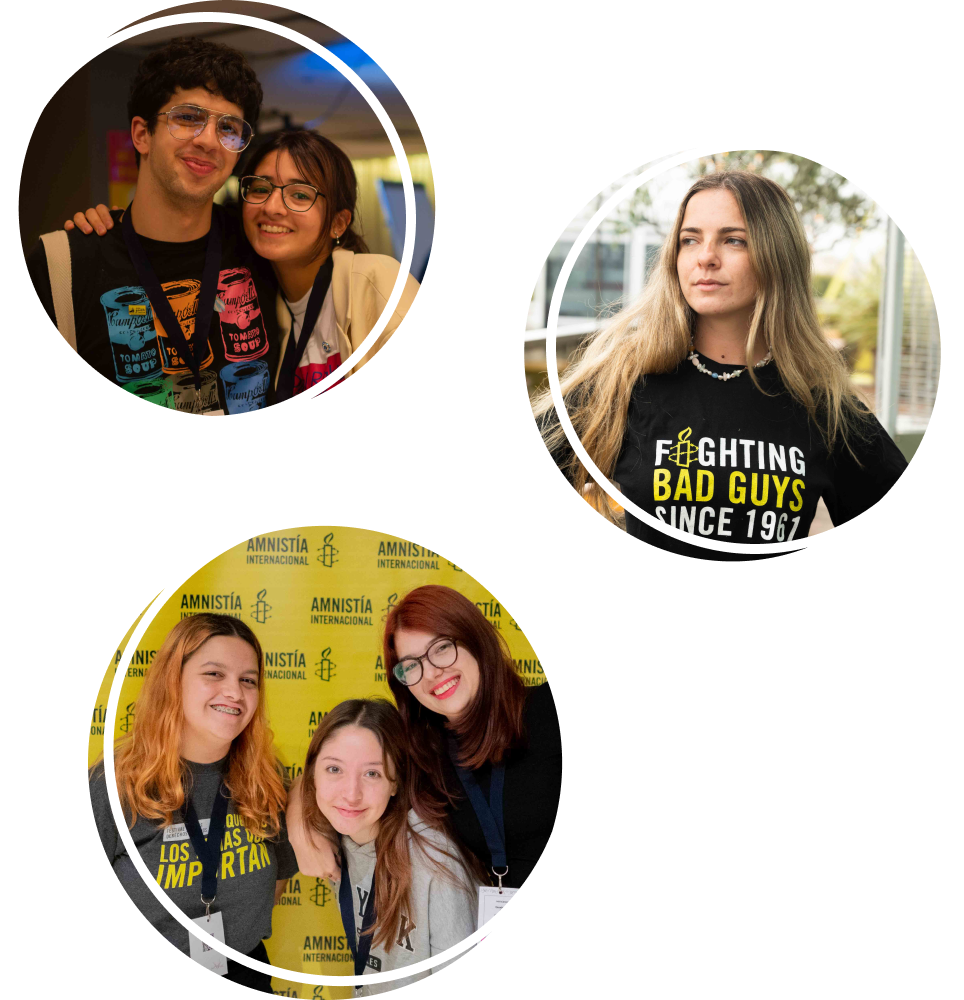
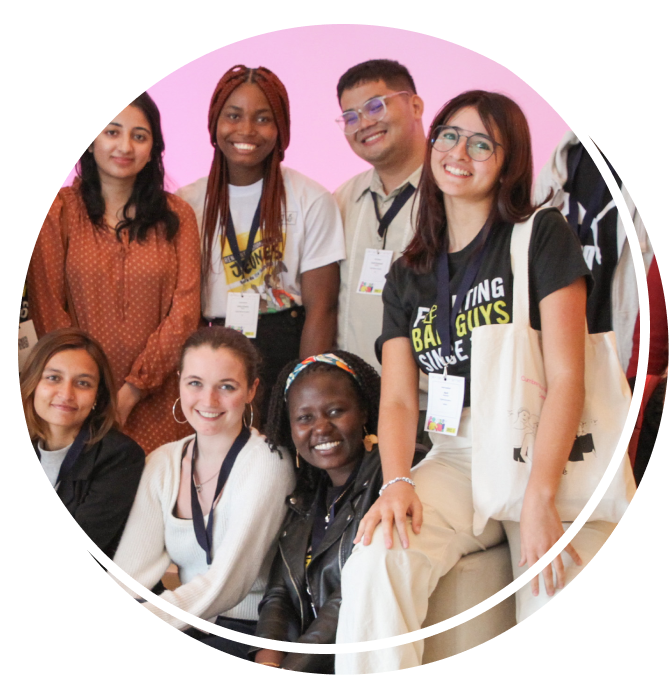
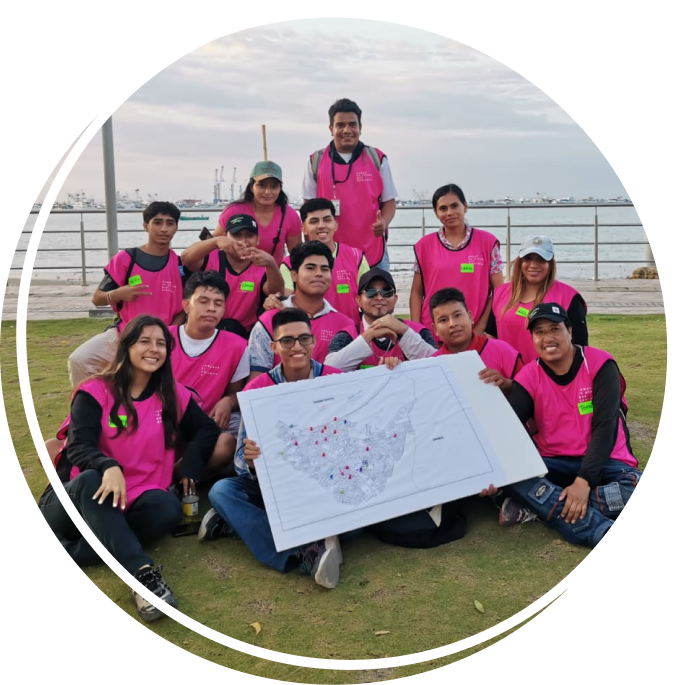
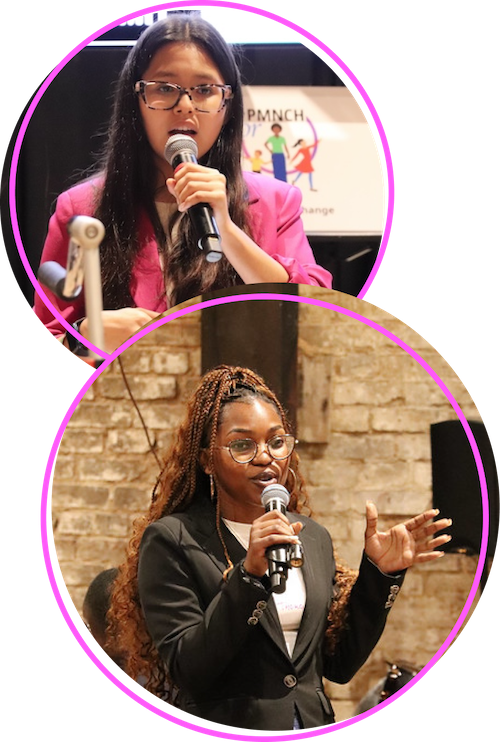
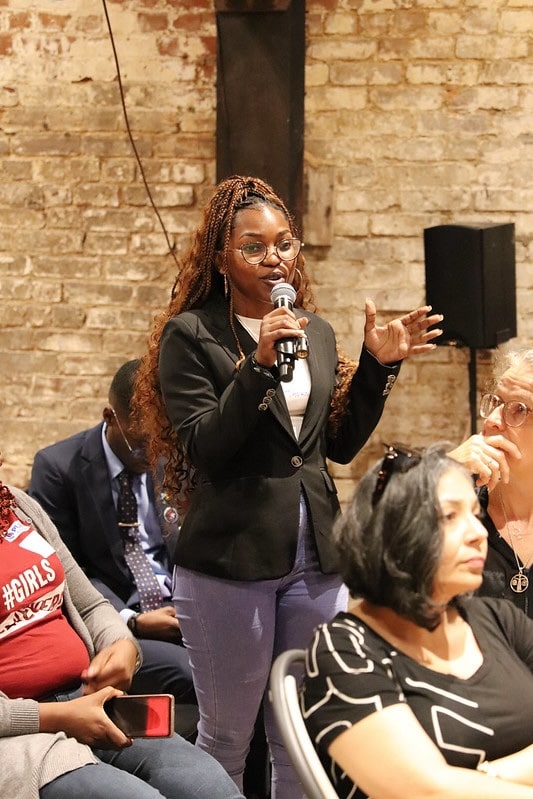
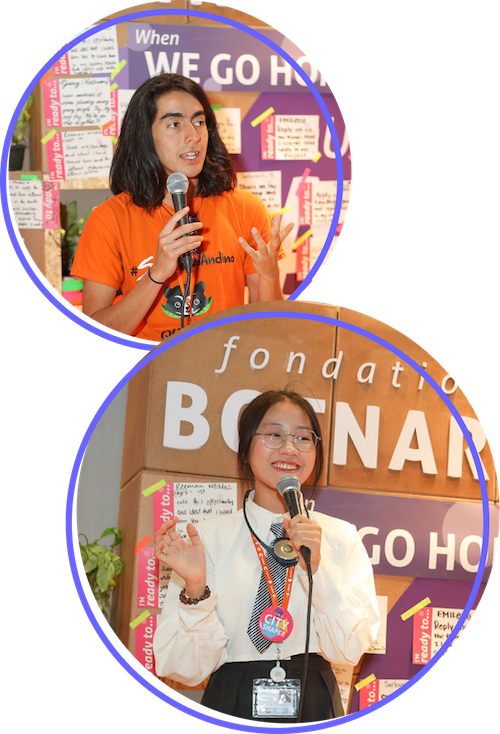
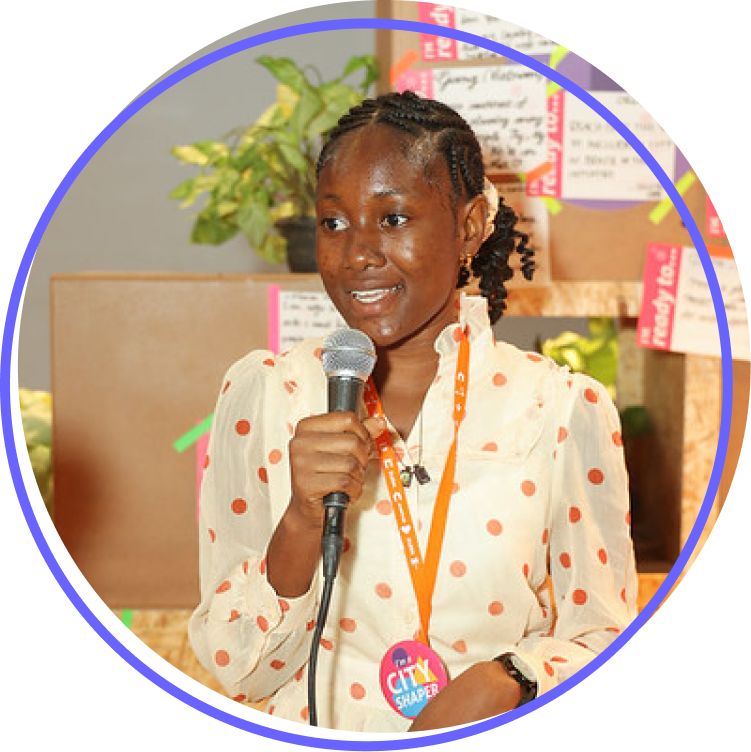
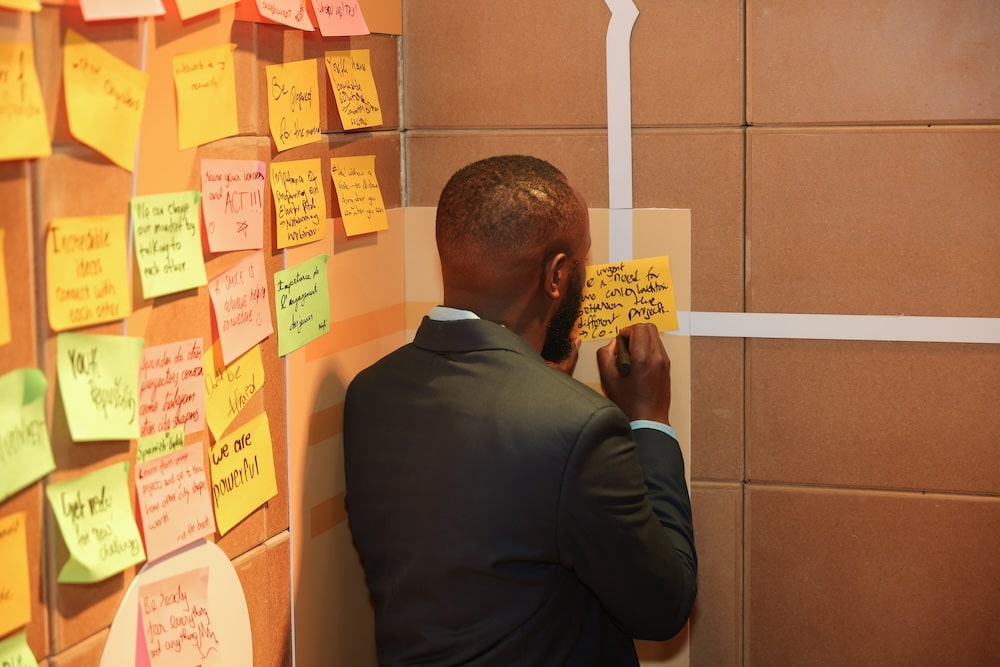
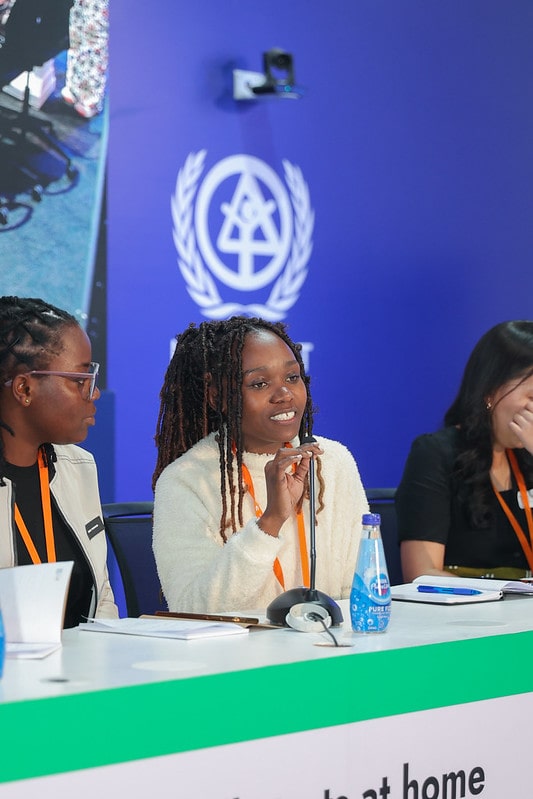
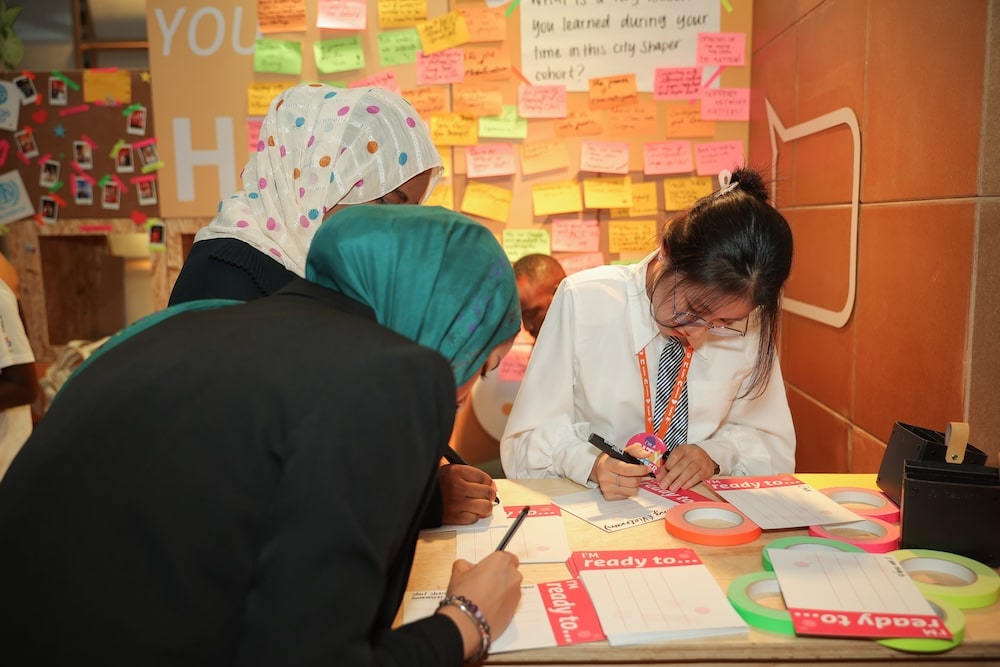
A distinctive part of our approach is embedding the meaningful participation of young people in the process of transformation. They should be able to take the lead in their own learning, co-creating their own learning experiences and influencing the education systems they are part of. When young people are meaningfully engaged, education becomes more inclusive, relevant, and responsive to their needs and aspirations. We want to ensure their voices shape the decisions, policies, and practices that affect their learning and wellbeing. In doing so, we will help build learning ecosystems that are deeply relevant to the lived realities of young people today and in the future.
Collaboration for lasting change
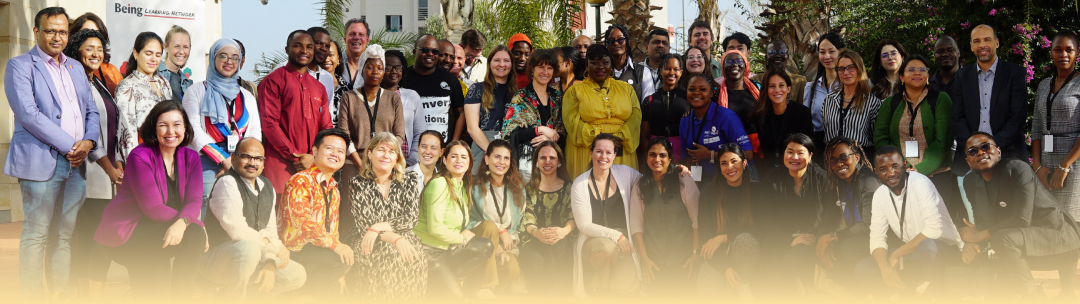
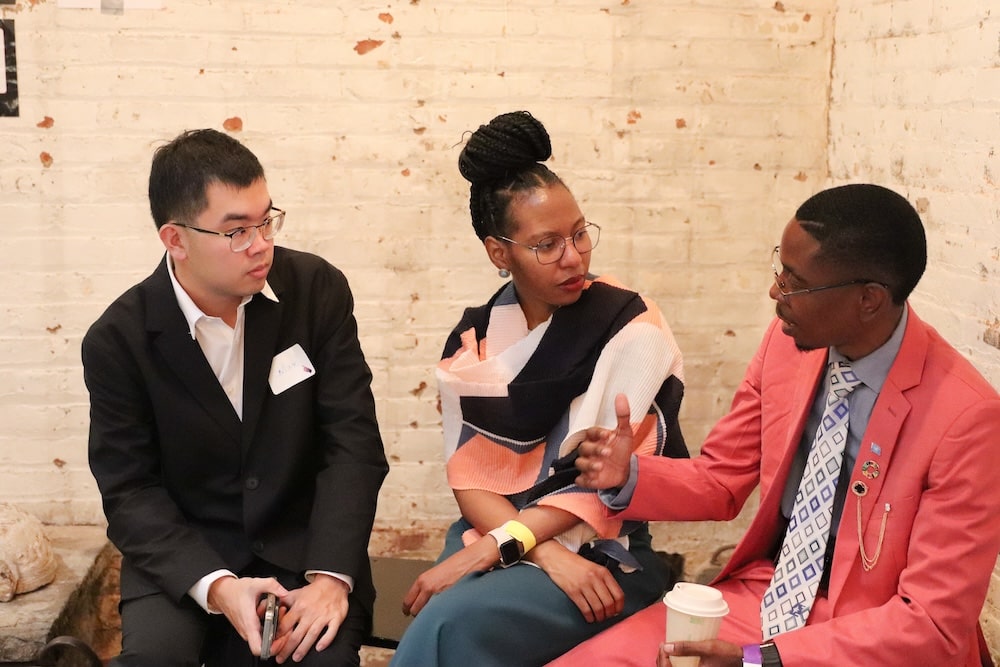
This kind of transformation is necessarily a collective effort. At Fondation Botnar, we therefore work with partners, funders, and leaders who are already driving systemic change. We align resources, expertise, and networks to deepen, amplify, and accelerate change. We learn from our shared successes and setbacks and share our experience as we go. Ultimately, we want to model transformation processes that inspire and inform similar efforts around the world.
On this International Day of Education, we reaffirm our commitment to working with young people and partners to reimagine education systems as thriving learning ecosystems, co-created by those it must serve in this time of profound and continued change.