December 2020 – Digital Health and Wellbeing
At Fondation Botnar, we believe there is real potential to work across sectors to leverage technologies such as smartphones, data analytics, and AI to tailor care and support for young people’s wellbeing.

At Fondation Botnar, we believe there is real potential to work across sectors to leverage technologies such as smartphones, data analytics, and AI to tailor care and support for young people’s wellbeing.
We are living in an age of unprecedented technological disruption. As the first generation with a digital-first mindset, young people are best placed to leverage these advancements to accelerate change. Still, their priorities and needs are often not reflected in policies, and there is an urgent need to work with young people as equal partners and valuable contributors.
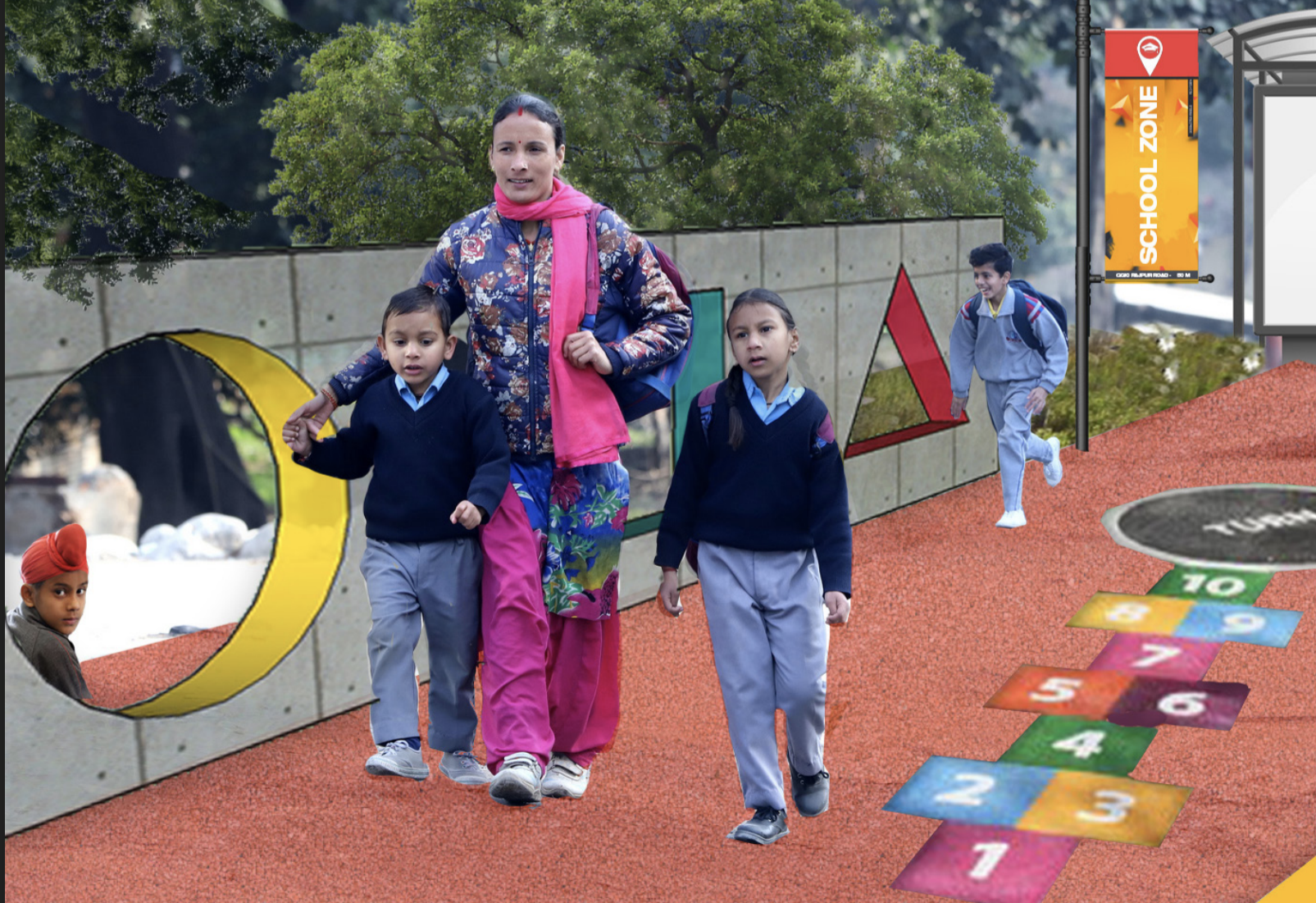
With World Cities Day on 31 October, we are focusing this edition on ‘Cities fit for all’, highlighting the importance of including young people in shaping the cities we live in and how digital technologies can be best integrated to make them happier and healthier places to live.
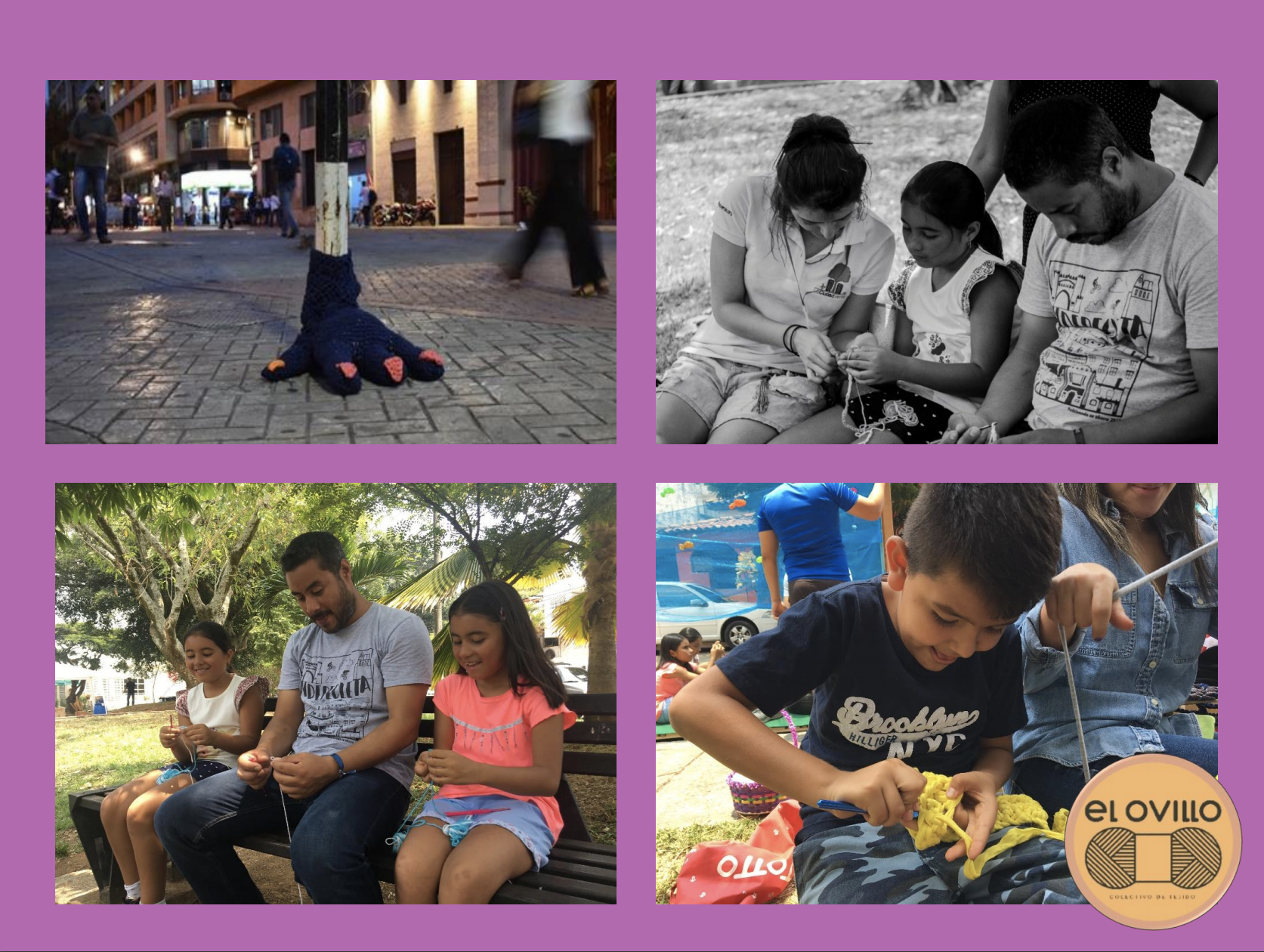
On 18 September, UN-Habitat and Fondation Botnar launched the Future Cities Challenge with the aim to unlock the innovation and creativity of young people from all over the world. The challenge has been engaging children and young people (age 10-24)…
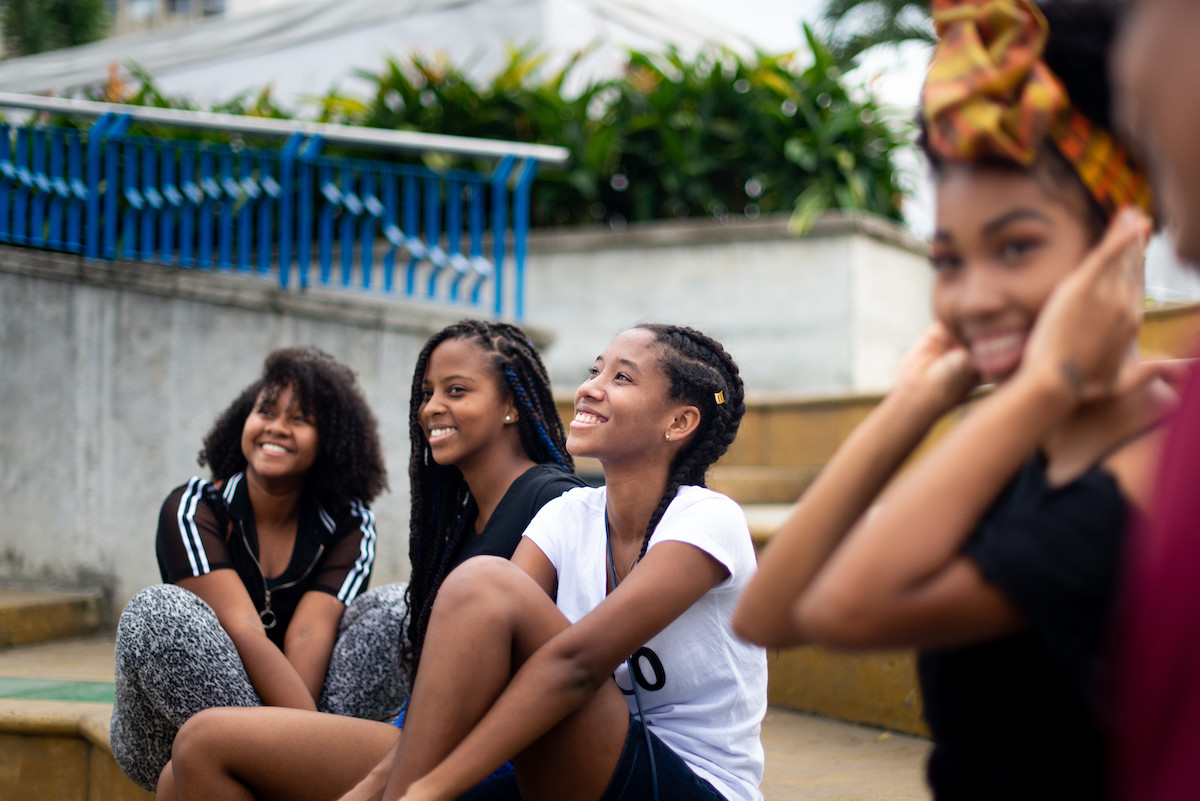
Today, 31 October 2020, we are celebrating World Cities Day, with this year’s theme of ‘valuing our communities and cities’. Did you know that by 2050, 70% of the world’s population will live in urban areas and there will be more young people growing up in cities than ever before? At Fondation Botnar, we believe there is an urgent need to ensure that cities are both safe and healthy environments. We are proud to share some of our commitments and achievements in contributing to this.
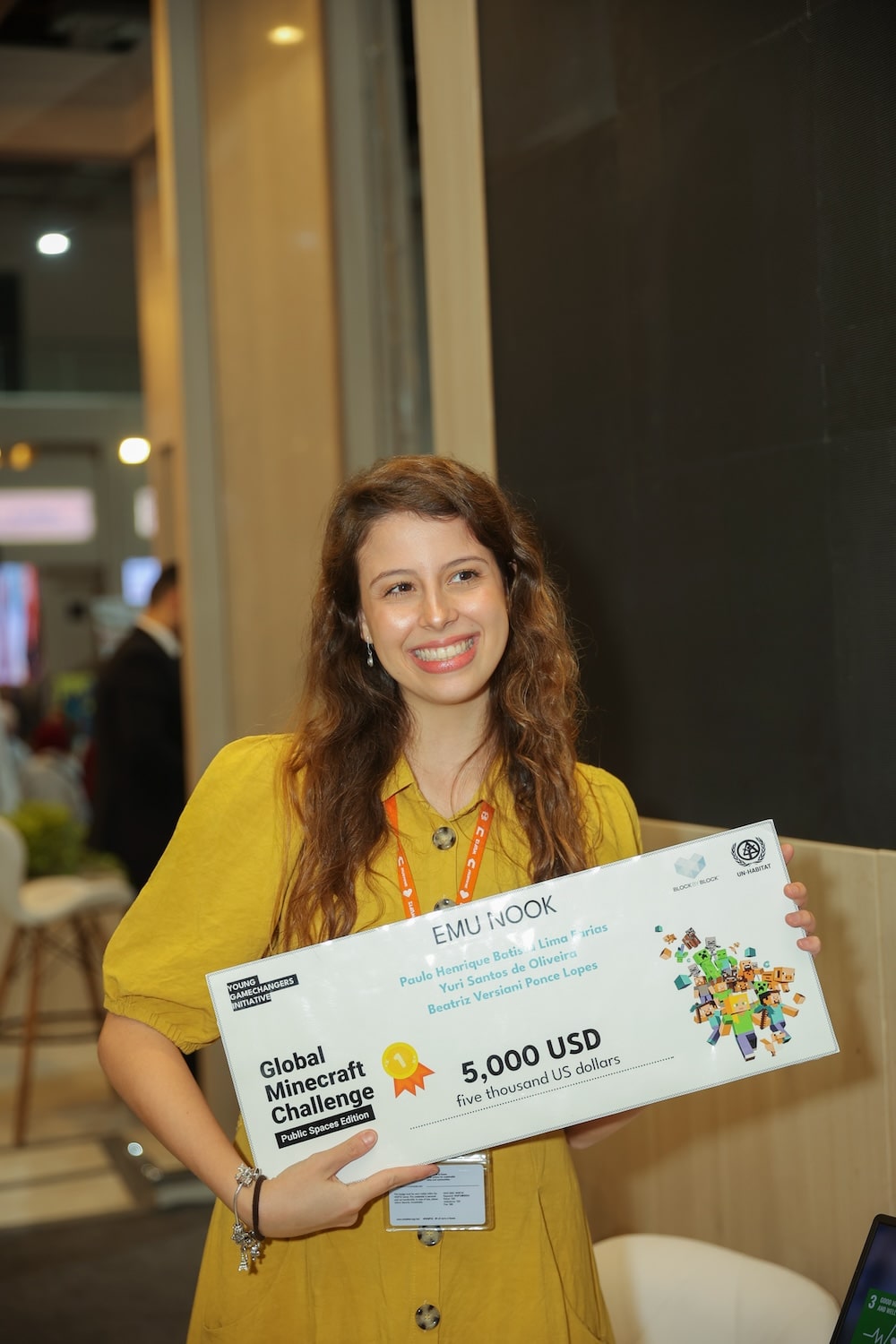
Ahead of World Cities Day tomorrow, UN-Habitat and Fondation Botnar are pleased to announce the winners of their Future Cities Challenge. The competition sought to include the voices of young people in urban planning, at a time when local and national governments are looking at the future of cities and how to make them more sustainable and prosperous in light of COVID-19.
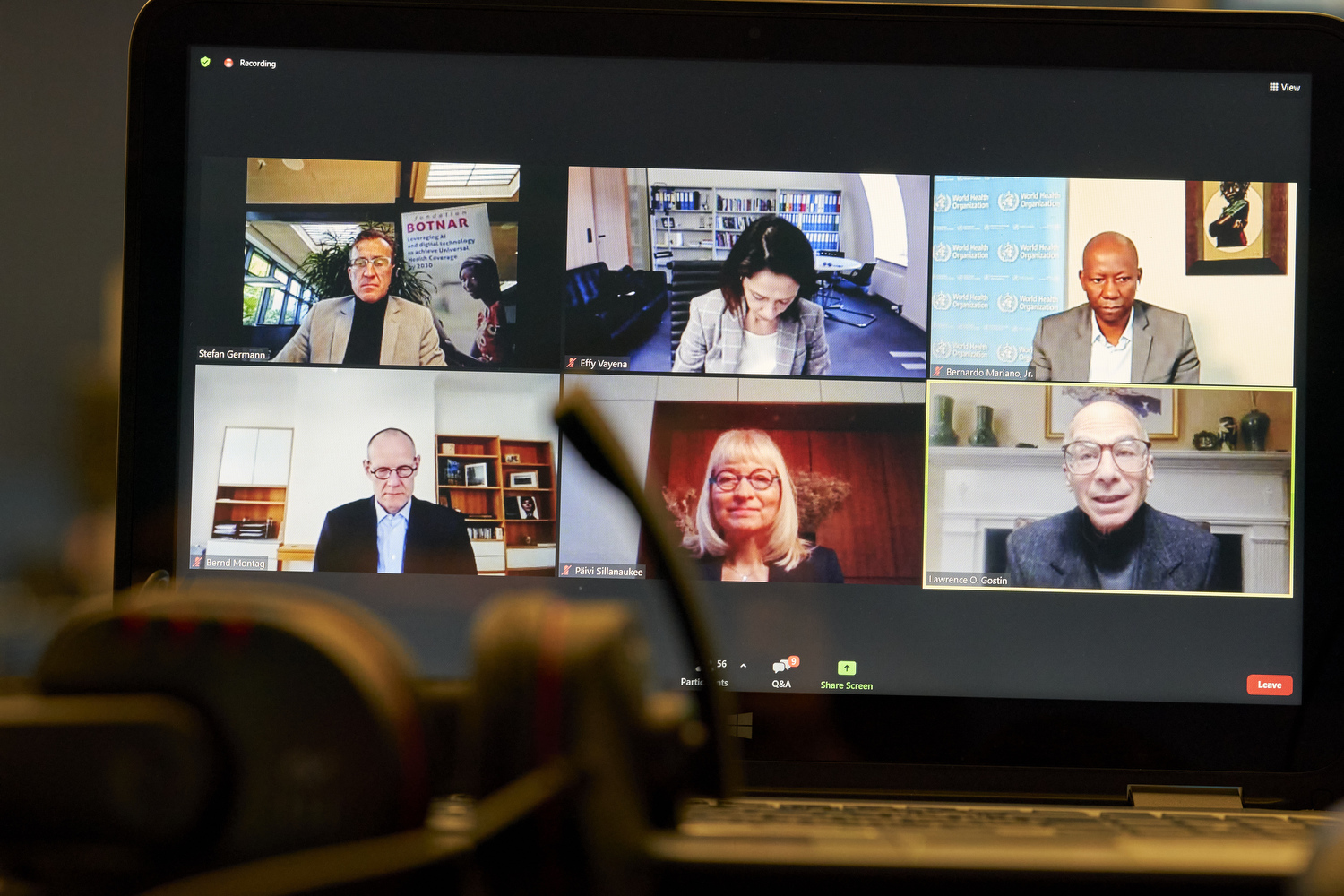
The COVID-19 pandemic is accelerating the ongoing trend towards digitalisation of healthcare. But fast-moving technological development has led to concerns over data protection, privacy, and ownership, with health data governance becoming more critical than ever. How can it be achieved?

Basel, 20 September 2019 - The Board of Fondation Botnar has elected Prof. Thomas A. Gutzwiller its new President. With extensive scientific and entrepreneurial experience, Prof. Gutzwiller is also familiar with the world of philanthropy through various positions held.

The rise of health data and the use of technologies to both treat and prevent different health conditions have opened many gateways. In particular, new digital methods present opportunities to improve diagnosis, treatment and management of mental health problems. From artificial intelligence via computerised therapies to applications on mobile phones – the potential of digital solutions, especially for young people is vast.
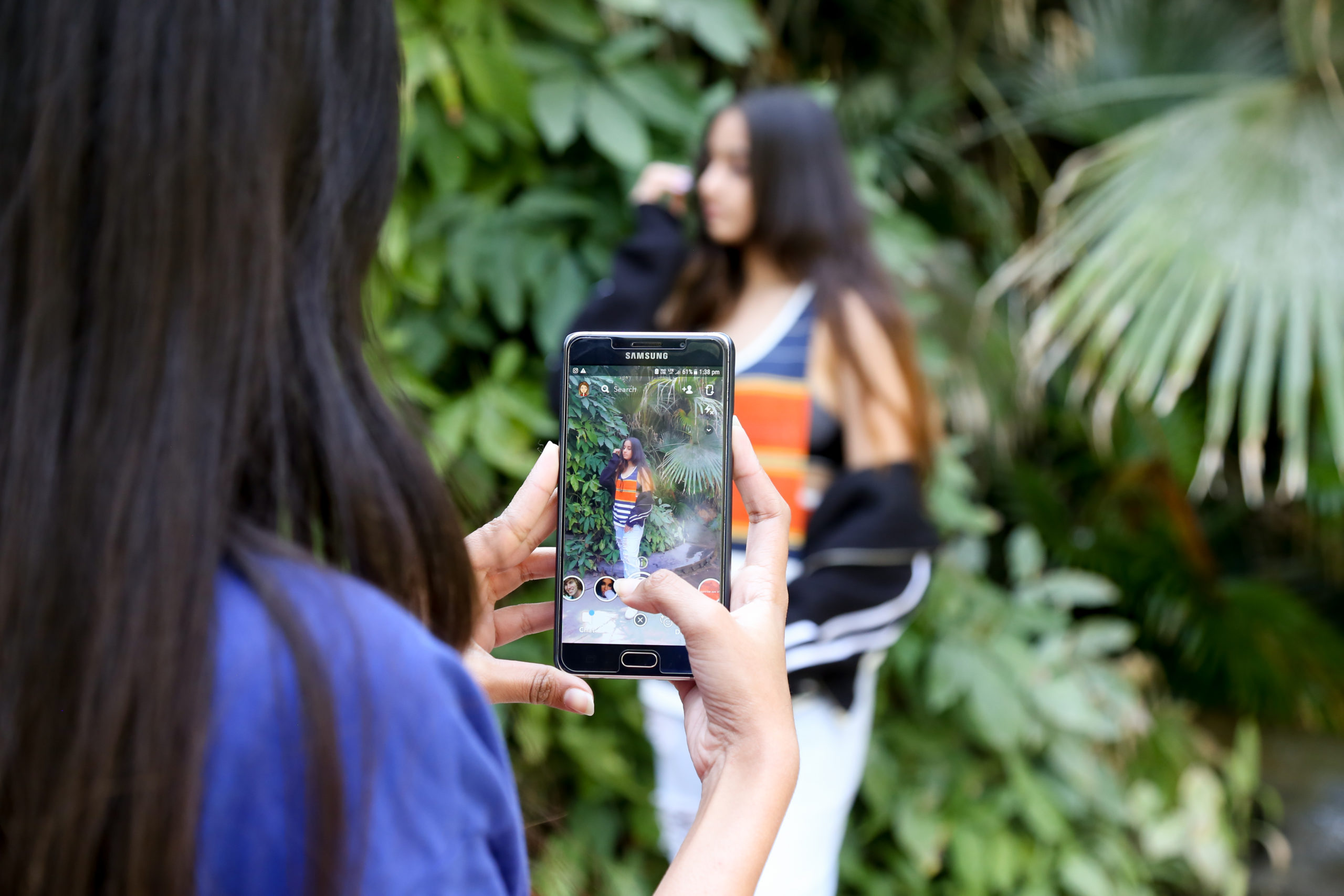
Donovan Müller, a recent high-school graduate and Foraus blog contributor (read his recent publications here), supported Fondation Botnar during our session at AI for Good Global Summit on 8 September 2020, capturing key discussions around this critical topic. In this blog, he reflects on Fondation Botnar’s session on “Digital rights: emerging questions for the wellbeing of the next generation.”
Fondation Botnar
St. Alban-Vorstadt 56
4052 Basel
Switzerland
info@fondationbotnar.org
+41 61 201 04 74

RIGHTS Click, a programme developed in partnership with Amnesty International, was designed to improve the digital rights of children and young people. By combining research, human rights education, and advocacy, RIGHTS Click supports child and youth activists around the world to lead impactful research, campaigns, and advocacy for change. For example, the youth-led #FixTikTok campaign, which is demanding safer online spaces for young people, was developed to put pressure on big tech companies, like TikTok, to change their practices. The campaign calls for greater transparency on platform policies, stronger protections against harmful content, and an end to hyper-personalised algorithms for young users without consent, and has now reached 75,000 signatures.
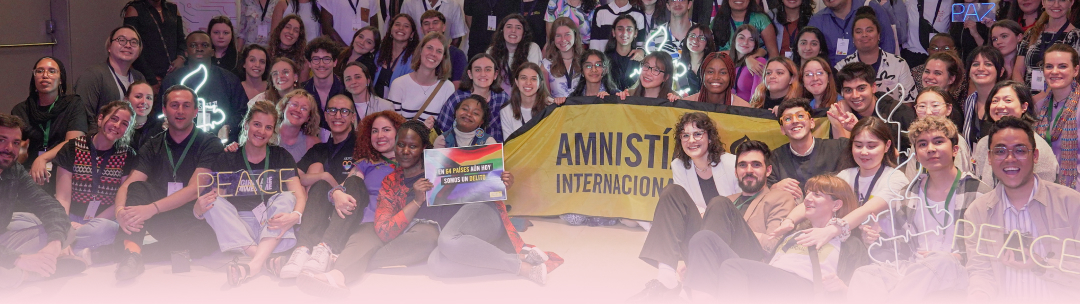
Over 100 activists from 45 countries came together at a Global Youth Summit on Digital Rights to reimagine a world where technologies prioritise the rights, health, and wellbeing of young people. The Summit served as a platform for collaboration, innovation, and advocacy, with participants sharing their visions for safer and more inclusive digital spaces. The learnings, actions, and commitments from this gathering culminated in the creation of a Global Community for Digital Rights, fostering ongoing collective action.
Everything that is created by human beings can be used by humans for good, and for bad. Let us take the example of a knife. It can be used to cut vegetables, but it can also be used by humans for violence. The same is the case for the digital world – it can be used for good, and for bad. We can use it to connect with each other, but it can also be used to harm and marginalise people
William Orura
Digital rights champion
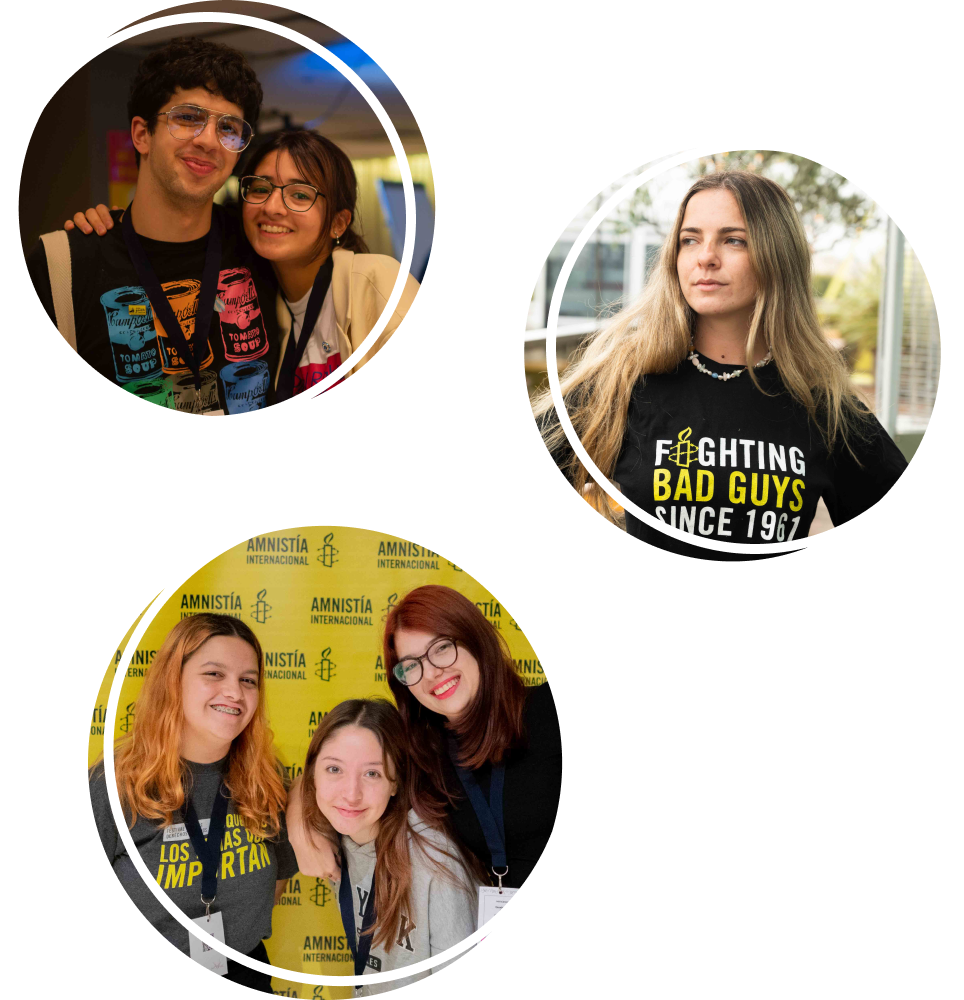
The voices of over 1,300 children and young people, who shared their experiences of tech-facilitated online violence and abuse, shaped various impactful campaigns, including the global #ProtectTheProtest campaign. These lived experiences provided invaluable insights that shaped advocacy efforts, such as the release of a report on Red-tagging in the Philippines: I Turned My Fear into Courage, which documents the experiences of youth activists who have been the targets of state-led tech-facilitated violence.
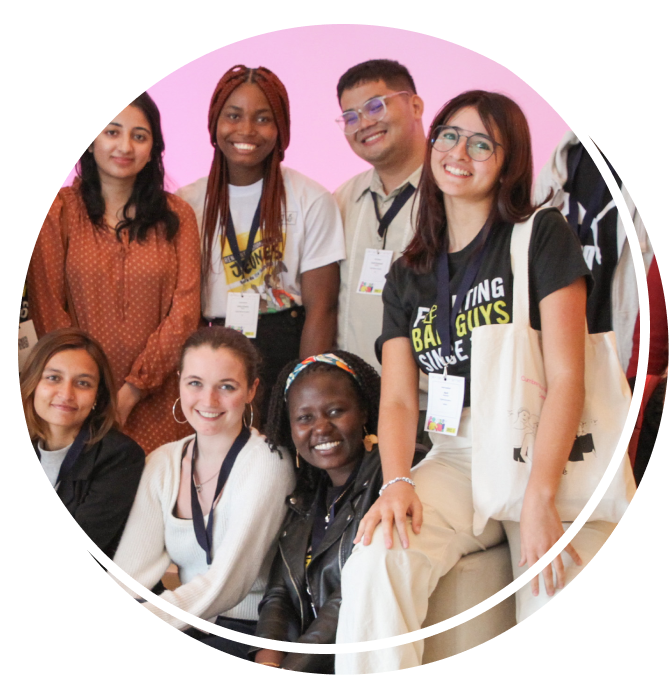
In addition, 13 Digital Rights Champions from 11 countries mobilised as leading youth advocates, bringing expertise and passion to issues such as data privacy and digital violence. These Digital Rights Champions represented the RIGHTS Click programme at key global events, including the Human Rights Council, the Summit of the Future, and the Association for Women’s Rights in Development (AWID) Forum, amplifying the voices of young people and ensuring that digital rights remain at the forefront of global human rights discussions.
Building on the achievements made and evidence gathered, Phase 2 (launched in 2025) will further work to build awareness of digital risks and rights among children and young people, creating a global movement to drive change and ensure youth perspectives are heard by governments and technology companies. This includes submitting the global #FixTikTok petition to TikTok HQ, launching Amnesty’s first youth-led research on online abuse against human rights activists, and uniting a global network of partners and activists to combat misinformation and polarisation. With young people at the forefront, the goal is to create a safer, more accountable digital future.
As human beings, we need to make sure that digital spaces respect our rights. Digital spaces are as important as real life!
Amina Affinida
Digital Rights Champion, RIGHTS Click
Pictures by: Amnesty International and Amnesty International Argentina
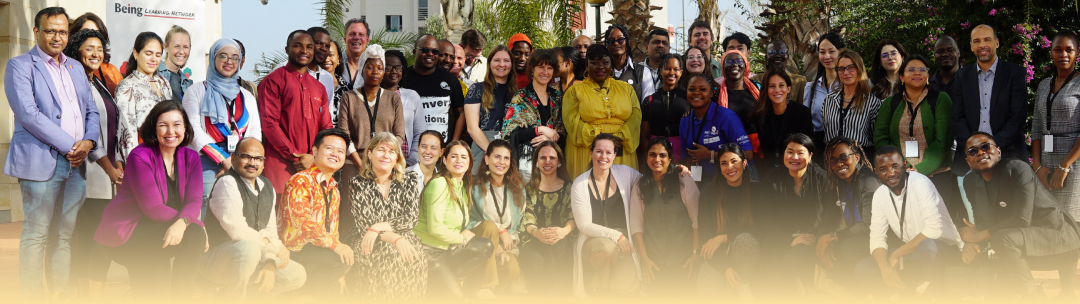

For young people to truly thrive, their mental health must become a global priority. The Being Initiative is a collaborative global effort to promote youth mental health and wellbeing across 12 priority countries. By funding research, fostering innovation, and building ecosystems for the promotion of mental health, Being enables young people, their communities, and other relevant stakeholders to address the root causes of mental health challenges—ensuring solutions are localised, evidence-based, and sustainable.
The leadership of young people, especially those with lived experience of mental health challenges, is so important. In mental health advocacy platforms, the participation and leadership of marginalised youth populations becomes even more urgent and meaningful.
Viet Trinh
Lighthouse Social Enterprise and Being Youth Advisor
2024 marked a pivotal shift for Being—from evidence generation and situation analysis in countries to action. In April, Being published its landmark Public Good Report, Mapping Youth Mental Health Landscapes, based on consultations with over 3,000 stakeholders across 12 countries—nearly 40% of whom were young people. This research provided country-specific insights into the key drivers of mental health—i.e. family functioning, mental health literacy, stigma, bullying, and academic pressure. The research forms the basis for action that places youth at the centre; namely, peer-led school programmes, awareness campaigns, and social-emotional skill development to reduce stigma and bullying, as well as family-level interventions to foster understanding and open discussions on mental health.
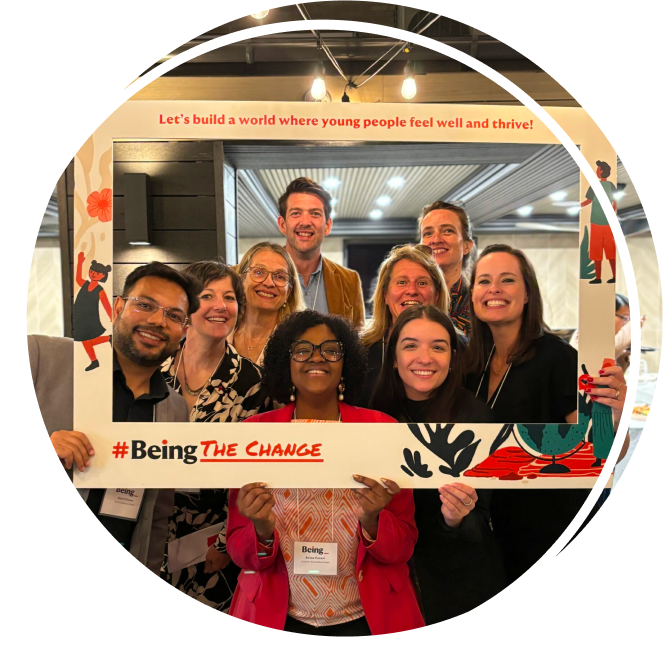
Building on these insights, Being launched different Requests for Proposals (RFP) in April 2024, inviting both youth-led organisations and innovators to develop solutions aligned with the priority areas set by country stakeholders. The selected project partners will develop innovative ideas into Proof-of-Concept, transition their proven solutions to scale, and strengthen mental health ecosystems at national levels.
The first Being Global Gathering in Rabat, Morocco, brought together mental health advocates, practitioners, researchers, and young leaders to exchange insights, address implementation challenges, and explore pathways to scale. Discussions highlighted the need for stronger ecosystems, flexible funding, and the critical role of schools and media in shaping mental health outcomes.
These milestones represent a key moment for the Being Initiative. By translating evidence into action and working alongside young people as leaders and changemakers, Being aims to lay the foundations for sustained, systemic change in youth mental health. Looking forward, the initiative will continue building country and global eco-systems and addressing key drivers that foster more favourable conditions for mental health.
Mental health is a global problem. Everyone needs to be involved because it’s so deeply rooted in the structure that we live in today.
Oriana Ortiz Parrao
Being Youth Advisor
Pictures by: the Being Initiative
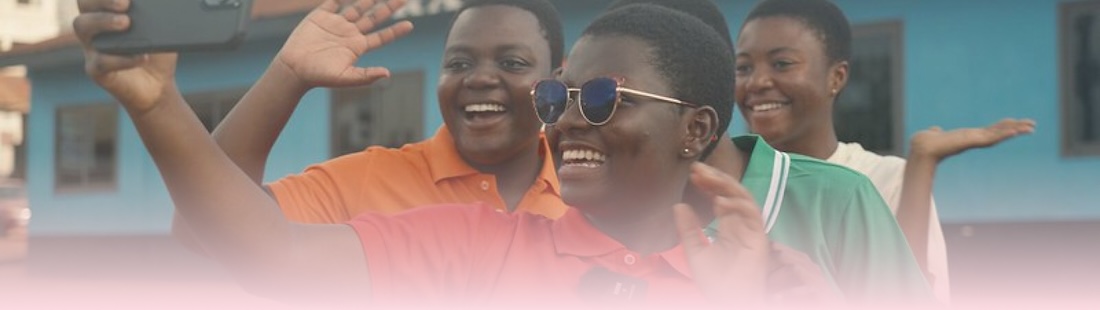

Since its launch in 2020, Fit4Future has harnessed the power of data and frontier technologies to create lasting impact for and with young people in selected countries. Over 150,000 young people have been engaged, gaining skills to bridge inequalities and lead transformative change in their communities.
By focusing on youth wellbeing at the intersection of AI, education, and urban development, Fit4Future concluded its Phase 1 (2020–2024), which prioritised preventive health, inclusive learning, and participatory city solutions. As the programme transitions into Phase 2 in 2025, it builds on the success of 14 groundbreaking projects that fostered youth leadership, multi-stakeholder collaboration, and public-private partnerships, generating remarkable outcomes that demonstrate its far-reaching impact.
Don’t be afraid to speak up! If the younger generation dares to speak up, the results will be good.
Swandewi
BASAIbu
The Ghana Science and Tech Explorer Prize (GSTEP) continues to inspire young Ghanaians as future inventors and problem-solvers. During Phase 1, GSTEP supported over 30,000 students, and 2400 teachers from more than 1100 schools to tackle real-world challenges. The initiative culminated in a national exhibition, recognised by Ghana’s President, highlighting its transformative impact on STEM education. Notable projects included a safer road-crossing innovation, which gained government backing, an automated seed nursery, and a water filtration system.
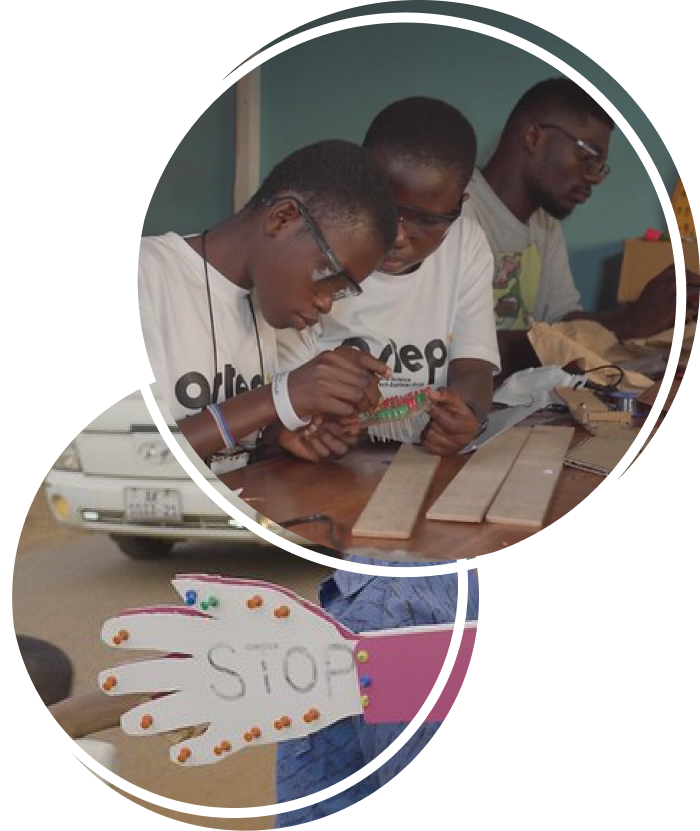
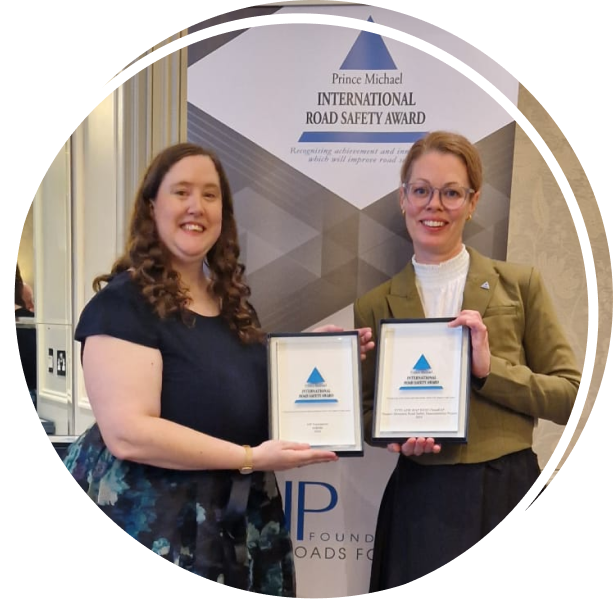
The AI&Me: Empowering Youth for Safer Roads programme is revolutionising road safety measures across Vietnam by harnessing the power of technology and youth engagement. In 2024, AI&Me made significant strides in improving road safety in Vietnam. Using the Youth Engagement App (YEA), young people actively identified and reported on high-risk road conditions, leading to the establishment of 30 km/h zones around schools in Pleiku – the first city in Vietnam to implement such measures. The programme received the prestigious Prince Michael International Road Safety Award and secured a USD 2 million Google.org grant to expand it nationwide and adapt its innovations globally.
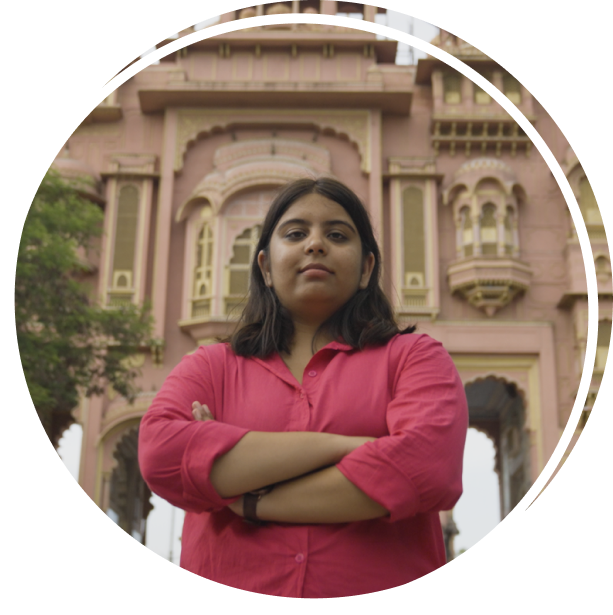
Leveraging technology to promote safer urban spaces, the Cities for Youth programme supports young people, particularly young women, in advocating for safe, accessible public spaces. It enhances youth access, ownership, and wellbeing in urban spaces, starting with a pilot in four cities in Rajasthan: Ajmer, Jaipur, Jodhpur, and Udaipur. Using data, technology, and human-centred research, the programme maps youth perceptions and enables youth-led active citizenship to protect their rights in urban environments. In total, 16,500 safety audits were conducted across Jaipur and Udaipur, informing campaigns and actions on street lighting, transportation, and cleanliness, and providing data which was integrated into Jaipur City’s GIS system.
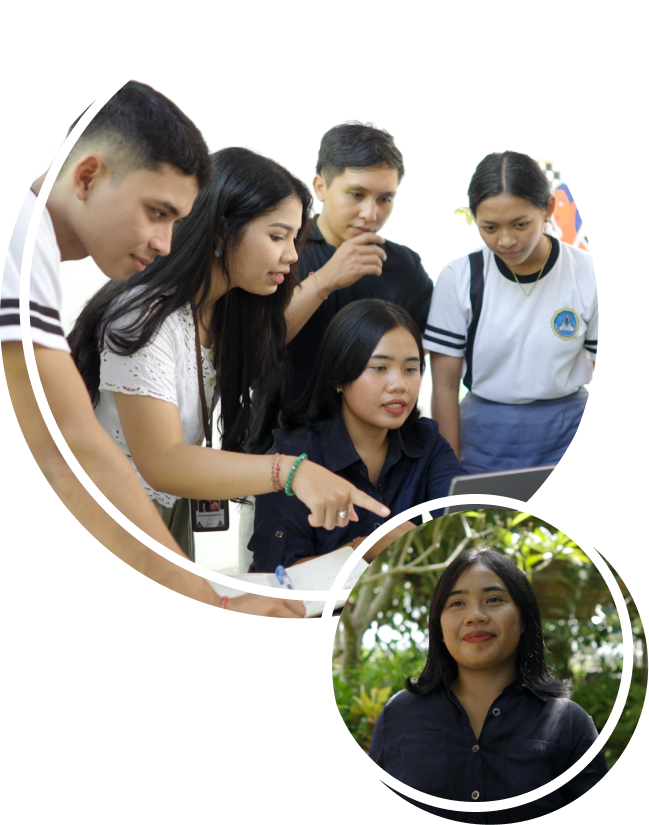
Focused on enhancing education for marginalised youth, BASAibu creates new norms of public participation and civic engagement by encouraging young people, particularly young women, to publicly discuss key issues using local languages on community-developed online platforms. The BASAibu Wiki, with over 61,000 visits and recognition from the US Consulate in Surabaya, consists of digital platforms that promote civic engagement, connect youth with policymakers, and enable them to participate in discussions and debates. The BASAibu wiki platforms have been used by close to 4 million young people in Bali since its launch in 2014. 30 Wikithons have been organised, each reaching an average of 32,000 people.
The 4IR Youth Workforce Marketplace has created a collaborative ecosystem to improve training and employment opportunities for youth, with a focus on addressing 21st century challenges and improving their overall wellbeing. By engaging 68 organisations and forming 57 public-private partnerships, the initiative has made significant strides in addressing youth employment needs. A 50% job placement rate has been achieved, with salaries nearly double those of other, regular, employment programmes. 53% of participants were women and 29% were migrants, demonstrating the prioritisation of inclusivity, and ensuring support for diverse youth communities.
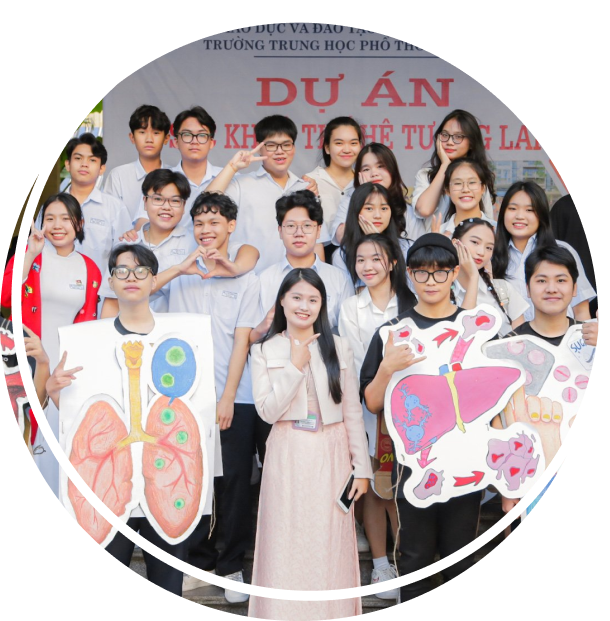
Addressing the rise of non-communicable diseases (NCDs) among youth, this project introduced Vietnam’s first blended education programme on NCD prevention, integrating classroom lessons with a web-based app and sports events to promote healthy habits. 40,000 participants, both students and parents, were engaged, achieving a 35% increase in students correctly defining NCDs. The initiative was recognised by the World Health Organisation as one of the most innovative health interventions in Asia-Pacific.
As Fit4Future transitions into Phase 2, its scope will expand to focus on marginalised communities, including those with disabilities and youth who are out of school or lack economic opportunities, to drive even greater inclusion and impact. With a new call for proposals, Fit4Future continues to enable young people as leaders of change in their communities and beyond.

Pictures by: AI Foundation (AI&Me), BASAibu (BASAibu), PATH and Tran Phu High school (NCD)
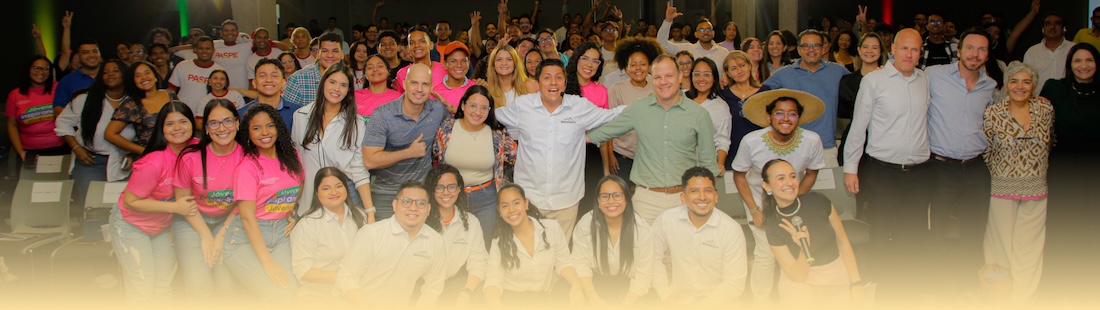

OurCity is one of Fondation Botnar’s flagship initiatives, supporting cities to develop youth-centred strategies by engaging young people in the design and governance of projects and policies that impact their lives. Through collaboration with youth networks, civil society, policymakers, innovators, and other city champions, the initiative fosters inclusive engagement, drives meaningful policy change, and advocates for youth-driven solutions. By contributing to locally-driven programming and implementation, young people actively shape their cities, creating vibrant and inclusive communities.
Discover how youth leadership is creating meaningful change in these cities.
We are not just the future; we are the present. Our voices need to be heard in the planning and execution of development projects.
Kofkro Youth Participant
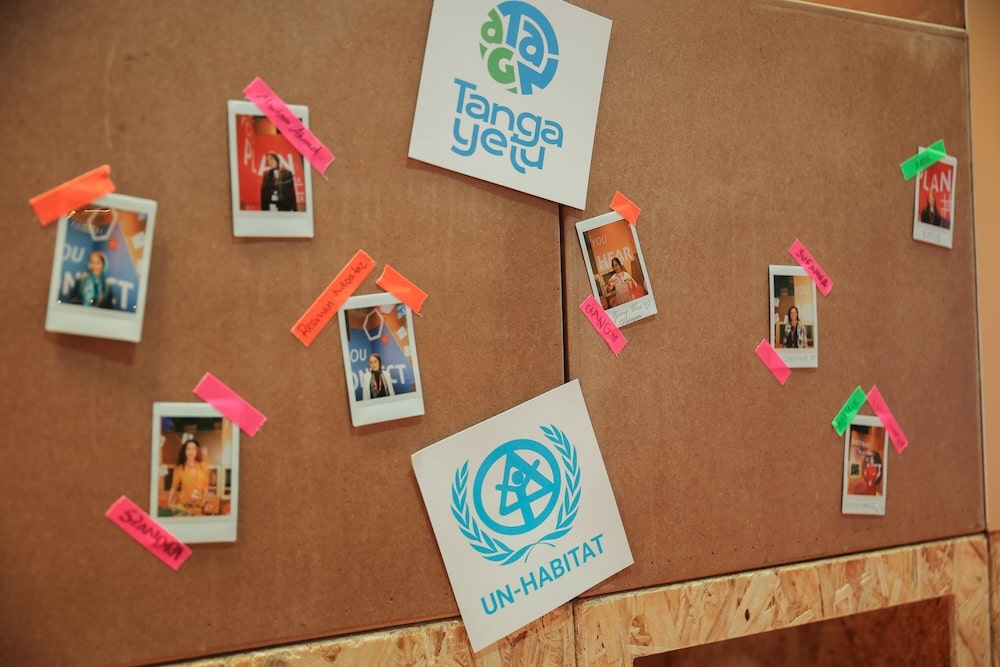
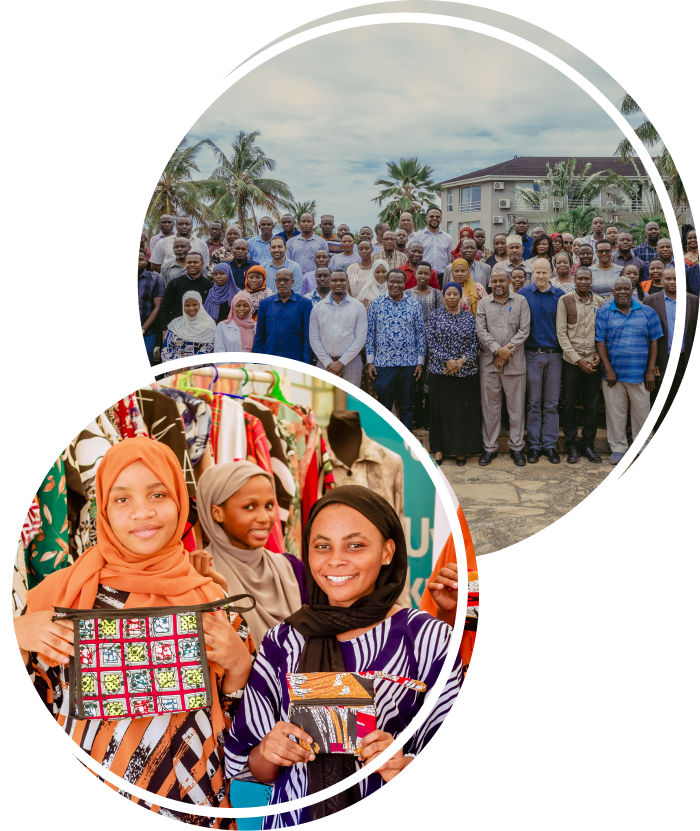
Since its start, OurTanga (TangaYetu) has fostered important opportunities for young people, including through the establishment of East Africa’s first STEM park, a digital city observatory to enhance data-driven decision-making, providing access to local funding, improved school learning environments, and entrepreneurship and digital literacy training—all co-created with local youth, the Tanga City Council, and stakeholders. 2024 highlights included cross-sectorial collaborative design of the programme’s future funding focus with over 100 stakeholders led by Hon. Ummy Mwalimu (former Minister of Health, Community Development, Gender, Seniors and Children, Tanzania), and December’s Tanga Youth Conference with 230 participants, which emphasised youth leadership.
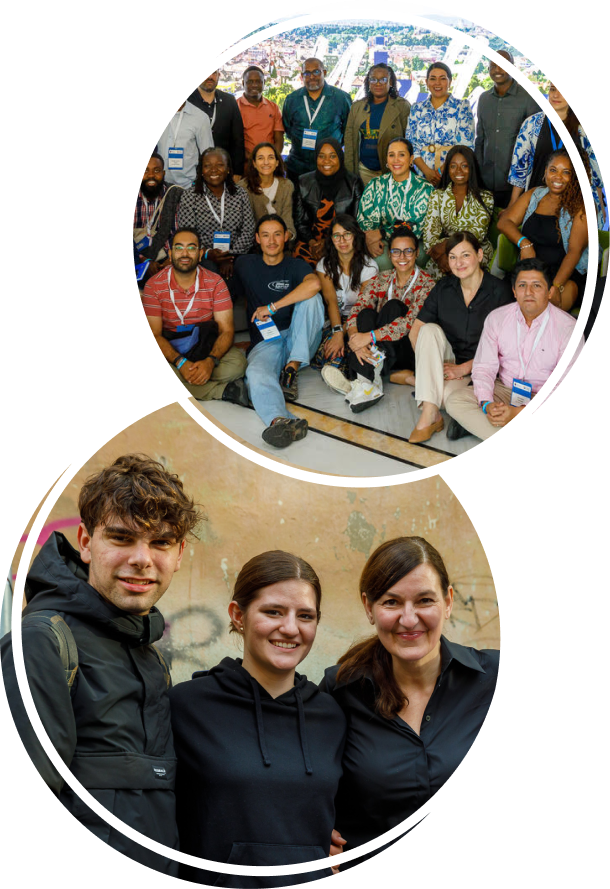
Since its establishment in 2020, OurCluj has provided opportunities to young people in civic innovation, culture and arts, healthy lifestyle, entrepreneurship, education and more. In 2024, OurCluj hosted the annual OurCity global gathering brought together youth and municipal leaders from five cities to share valuable insights, documented in the #OurCity interview series to inspire both local and global audiences. During workshops, the OurCluj Workbook: “Imagining Futures, Sharing Power” was released. A youth groups mapping process and an interactive Wellbeing System Map were also launched in 2024, along with pioneering projects in education, health and civic participation.
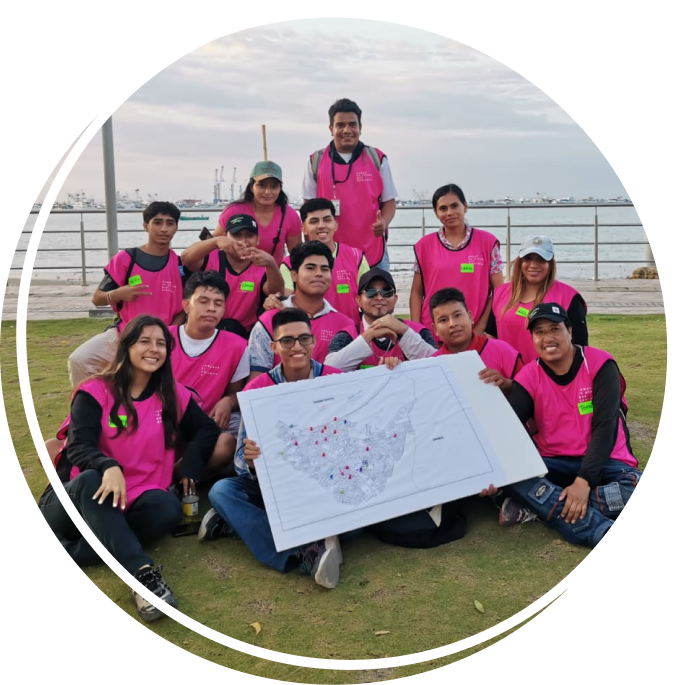
In 2024, the OurManta (MantaMía) initiative, coordinated by Grupo Faro, advanced efforts to shape Manta into a more inclusive, youth-centered city. MantaMía mapped over 300 stakeholders working with young people in Manta, fostering a collaborative ecosystem of leaders, community groups, academia, and policymakers. Workshops and surveys engaged 900 young people, culminating in Manta’s first youth assessment report, which informed the city’s Development Plan. Additionally, six civil society organisations received seed funding to launch initiatives in art, reading, sports, and civic engagement.
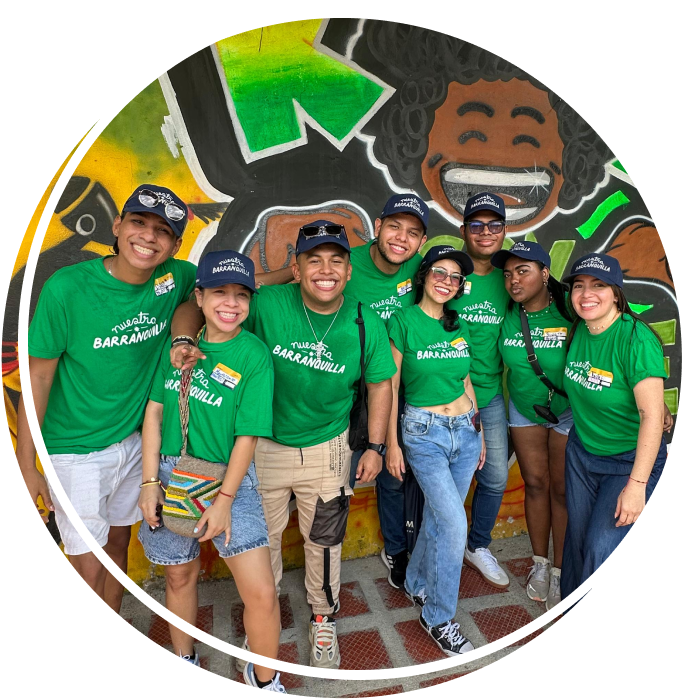
In 2024, Phase 2 of OurBarranquilla, coordinated by FundaciÓn Corona and Diseno Publico, launched in Colombia, bringing together youth and city leaders to co-design strategies, policies and solutions inspired by the city’s vibrant culture. Through the Leadership Pathway “Baqanes,” 120 young leaders launched over 15 projects citywide, working with more than 20 organisations and youth collectives. The programme gathered 200 stakeholders to unveil Phase 2 plans, and launch the learning magazine “Collaborating to Build the City” which presents the programme “10 Practical Lessons for Strengthening Barranquilla’s Youth Ecosystem”, which include, among others, the topics of nothing for youth without youth, focus on local teams and context adaptation, the role of public leadership, evidence collection, action driven approach and a shared vision definition.
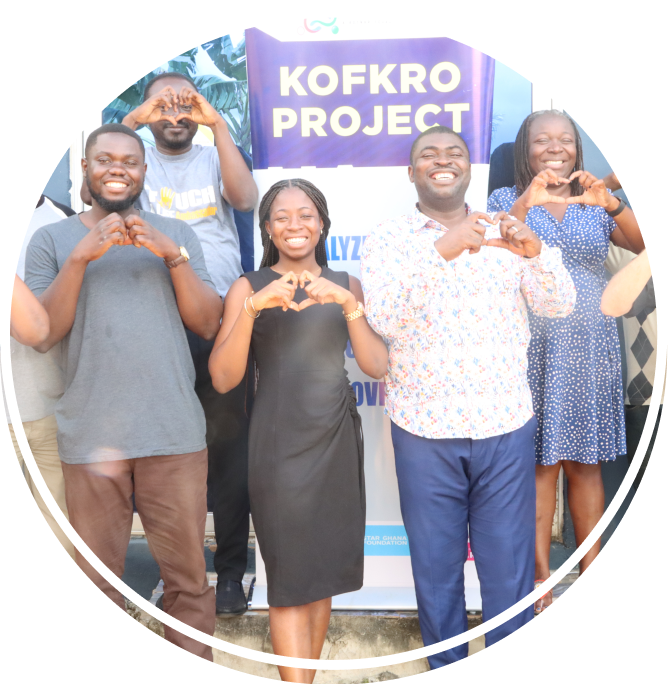
In Koforidua, Ghana, the activation of participatory governance mechanisms and co-creation workshops coordinated by the STAR-Ghana Foundation brought young people and the city council together to develop a shared vision. Priority areas of work include awareness and engagement of young people in urban governance, access to economic opportunities, access to essential services, digital literacy, and more. This collective effort resulted in strategy development for inclusive participation of young people in decision-making processes, such as the 2nd Annual Town Hall Meeting “Promoting Civic Engagement: The Role of Youth in Development,” which unites youth, local authorities, and traditional leaders to address municipal challenges. Additionally, a workshop trained youth peace ambassadors to promote peaceful elections in New Juaben South, emphasising youth leadership in community transformation. Throughout the year, the programme continued its efforts to strengthen youth networks and participatory mechanisms, led by young people for young people.
In November 2025, the third annual OurCity gathering is planned to take place, this time in Barranquilla Colombia, and will focus on civic innovation for youth participation in urban governance and policy design. The gathering provides an opportunity for OurCity network partners to share best practices, challenges, and strategies to foster the participation of young people in urban development decision-making processes.
By amplifying youth voices and fostering meaningful partnerships, OurCity is helping create vibrant, inclusive spaces where young people can thrive and shape the future of cities.
Building highly desirable hard skills among young people, especially in data collection, helped to ensure that young people could have a clear role, hold significant responsibility, and feel confident they were contributing in a way that was recognised as highly valuable to the overall success of the community.
TangaYetu
Pictures by: TangaYetu (OurTanga), Roland Vaczi (OurCluj), Grupo Faro (OurManta), NuestraBarranquilla (OurBarranquilla) and STAR Ghana Foundation (OurKoforidua)
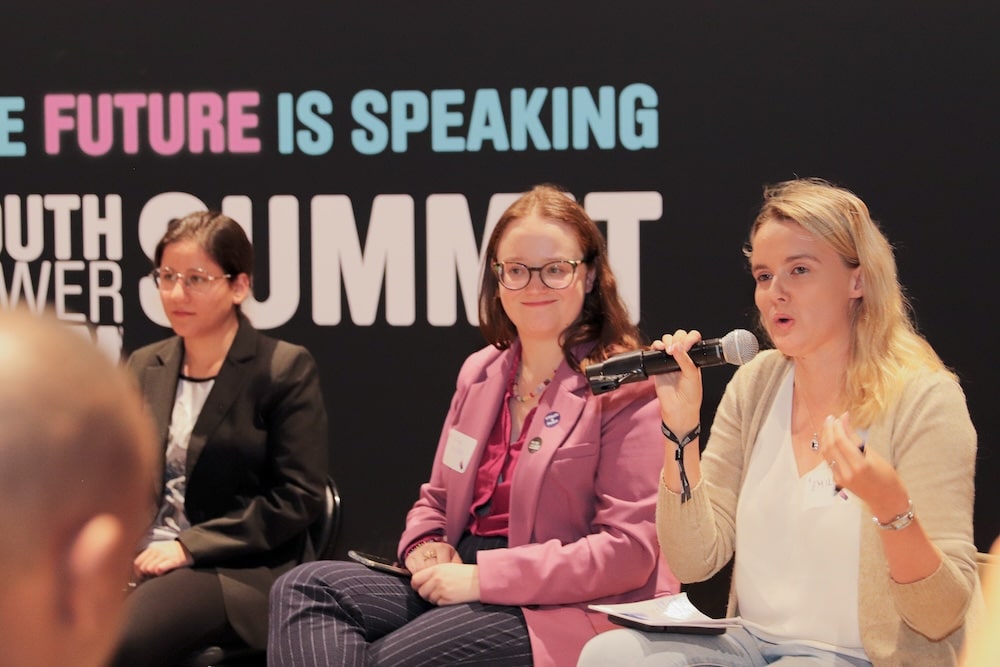
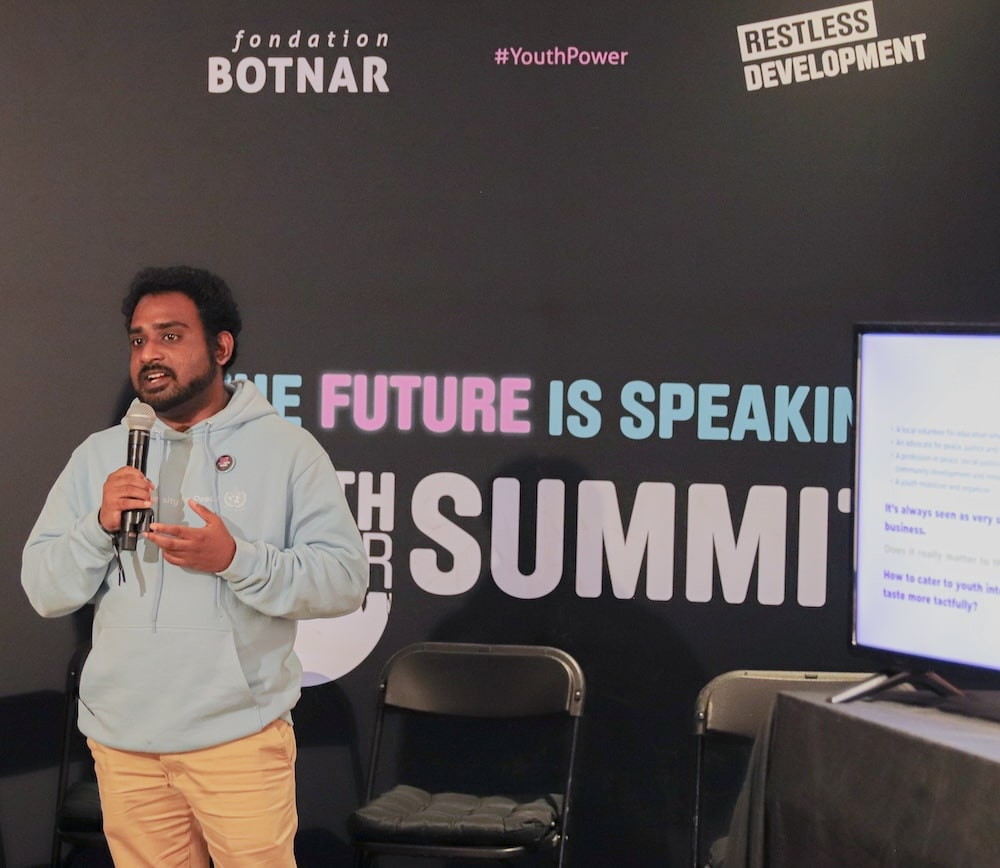
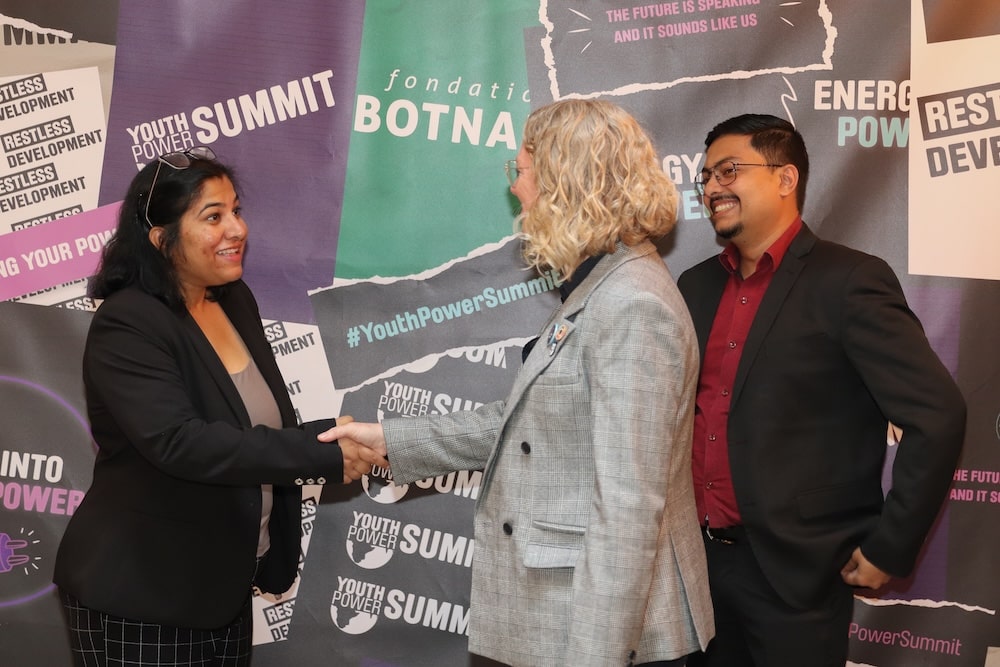
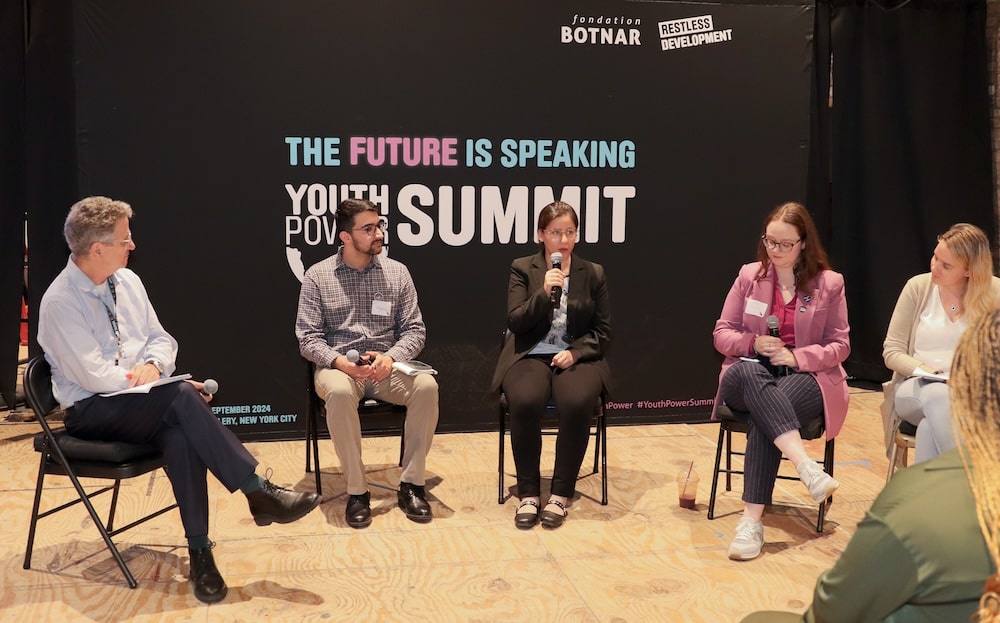
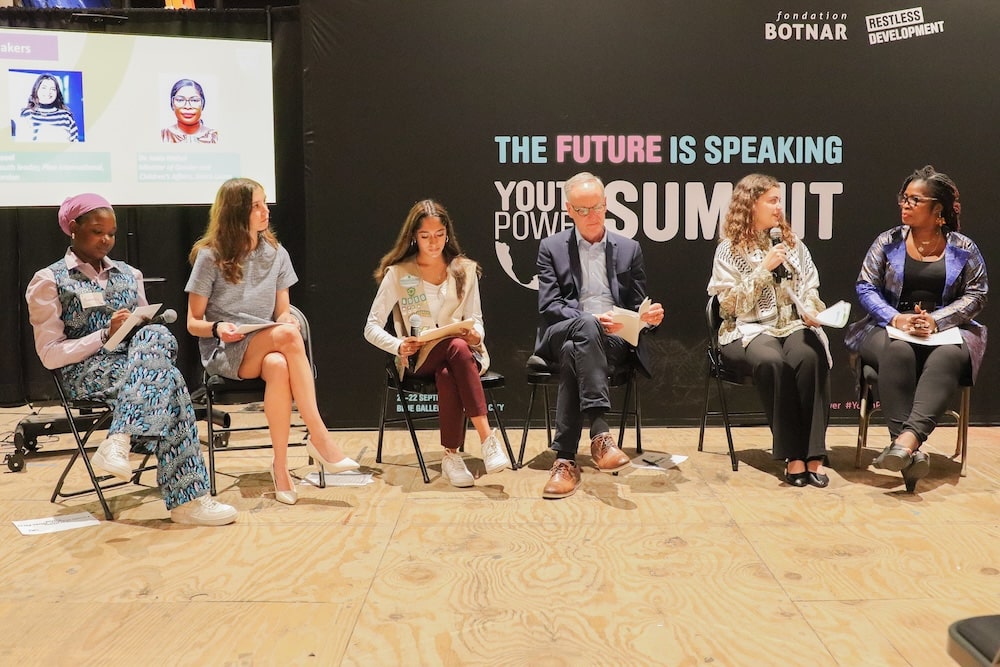
In September, Fondation Botnar and Restless Development co-hosted the Youth Power Summit in New York City, a youth-led event running alongside the UN Summit of the Future. Bringing together over 300 intergenerational participants, the event provided a platform for young people to share their vision, solutions, and demands, focusing on one question: how can they have a meaningful voice in shaping our global future?
Young people are often the #MissingMajority in decision-making. The Youth Power Summit underscored the essential role of youth-led discussions on accountability, evidence-based action, and political engagement. Through workshops, panels, and dialogues, participants addressed global challenges such as education, mental health, digital safety, and gender equality. They explored tools for holding leaders accountable, strategies to meet youth needs, and pathways to influence policymaking.
Don’t just ask for a seat at the table, dismantle it, break it down. We need to create a more collaborative space that is not hierarchical, where we can all relate to one another.
Marie Mokuba
Global Youth Mobiliser, Restless Development
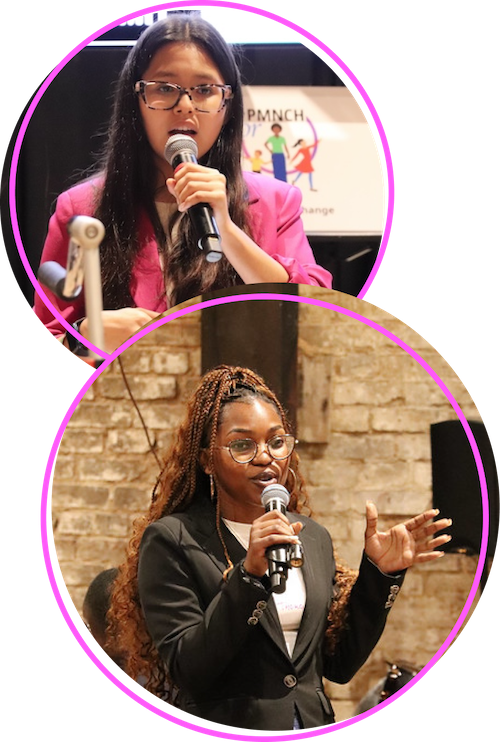
In addition, organisations like MTV Staying Alive Foundation, Born This Way Foundation, and Amnesty International led intergenerational sessions on topics such as advancing girls’ education and youth leadership in humanitarian crises.
Watch summit highlights and hear directly from young participants on our website.
Read our reflections on the event
Experience the energy of the Youth Power Summit through content that captures the voices, insights, and passion of young participants.
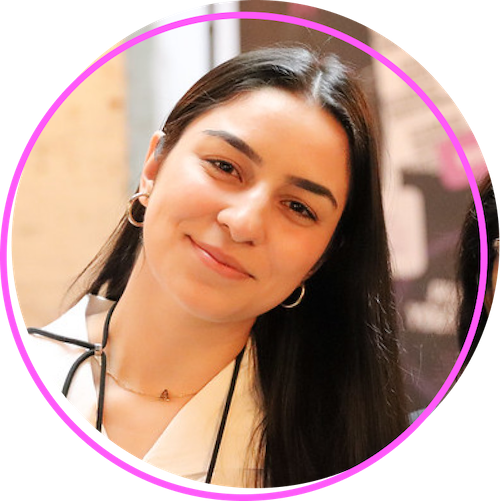
We cannot possibly know what is best for the youth without youth being at the table.
Youth participant,
Youth Power Summit
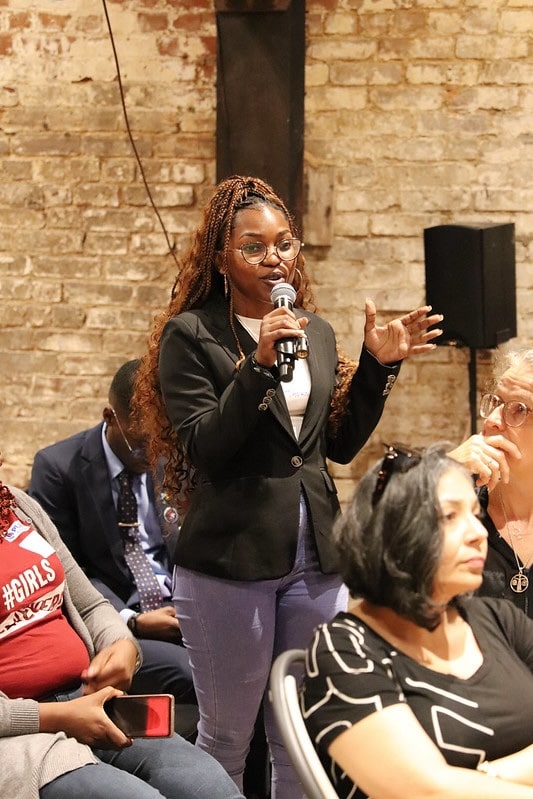
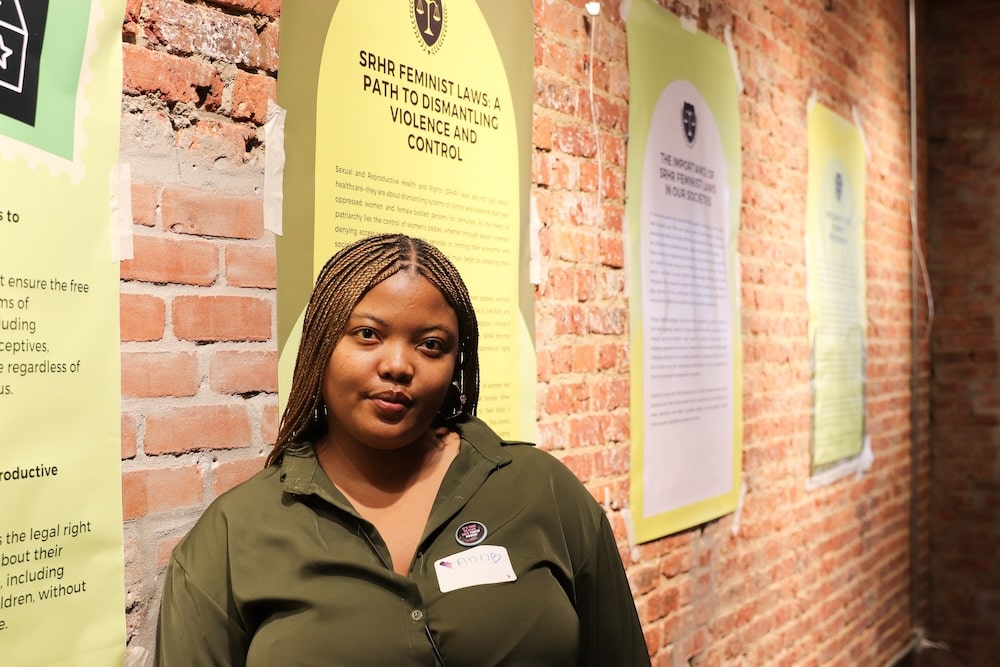
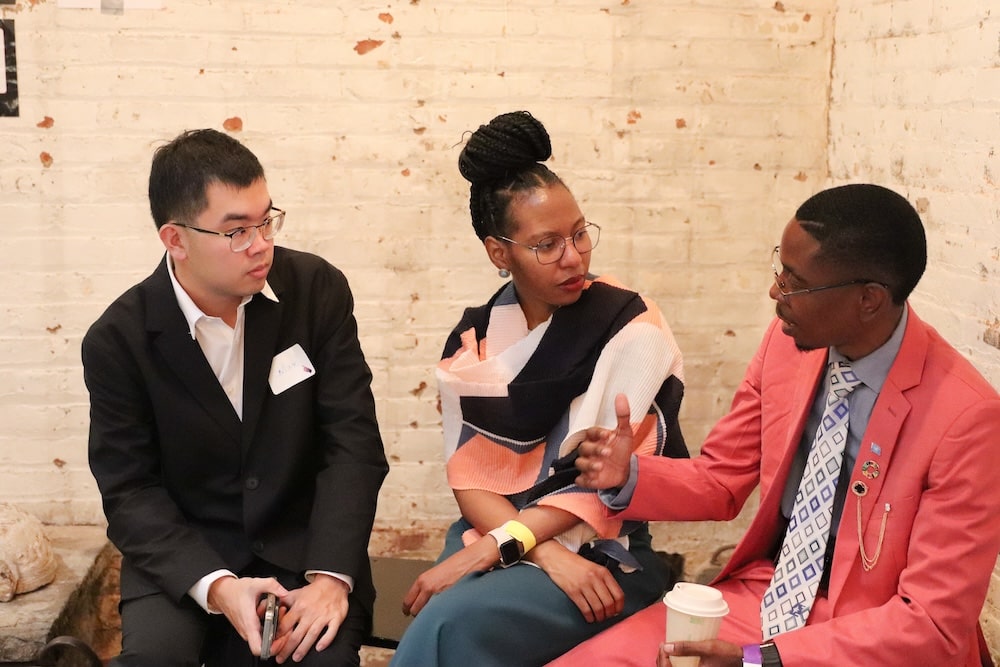
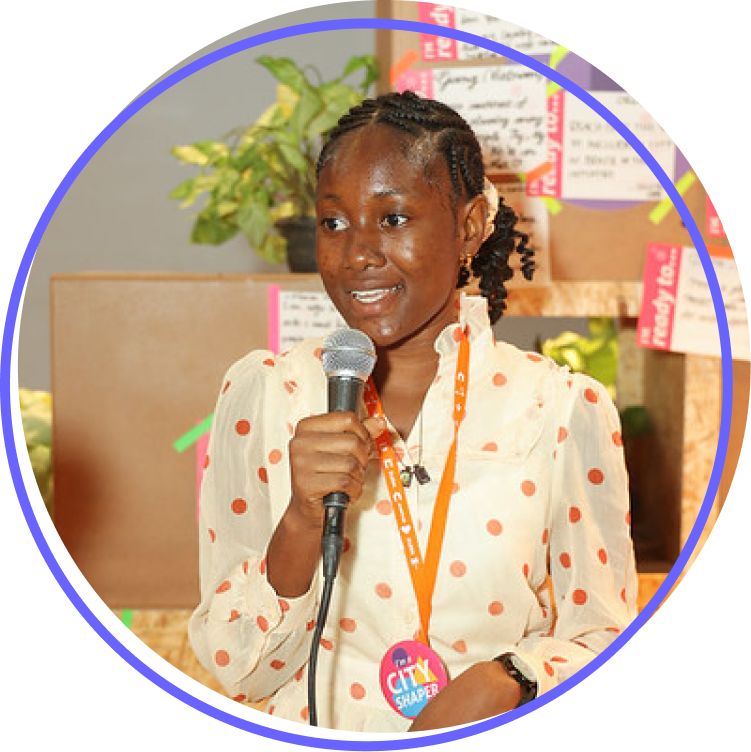
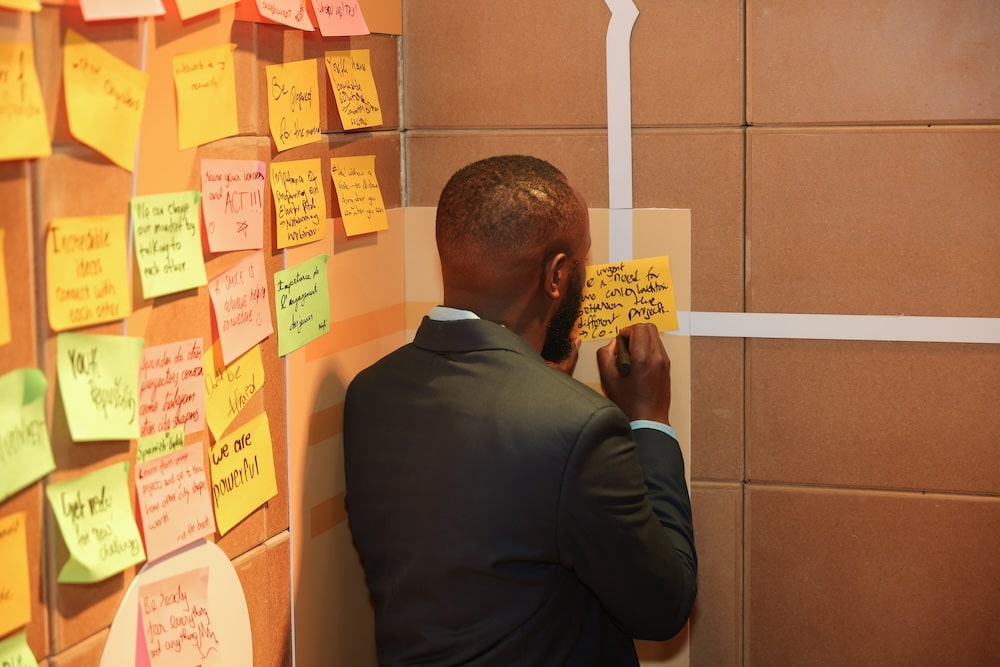
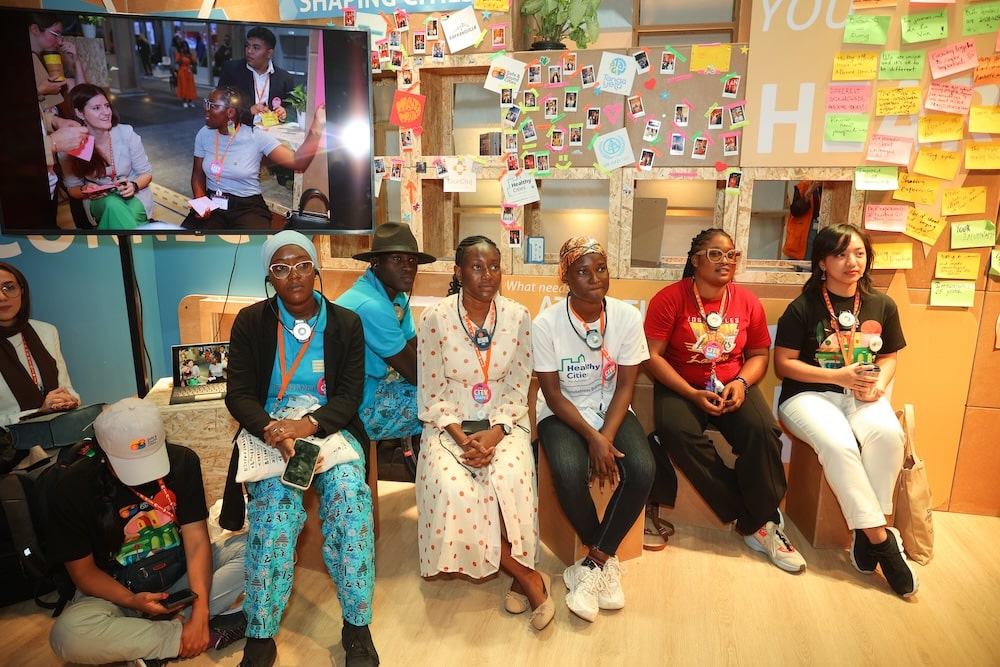
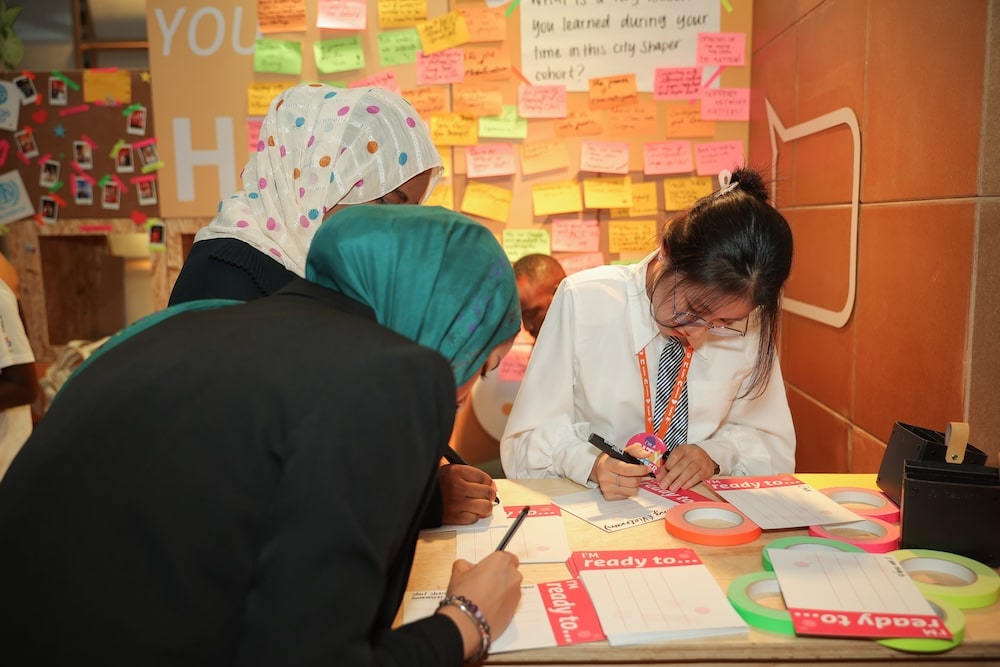
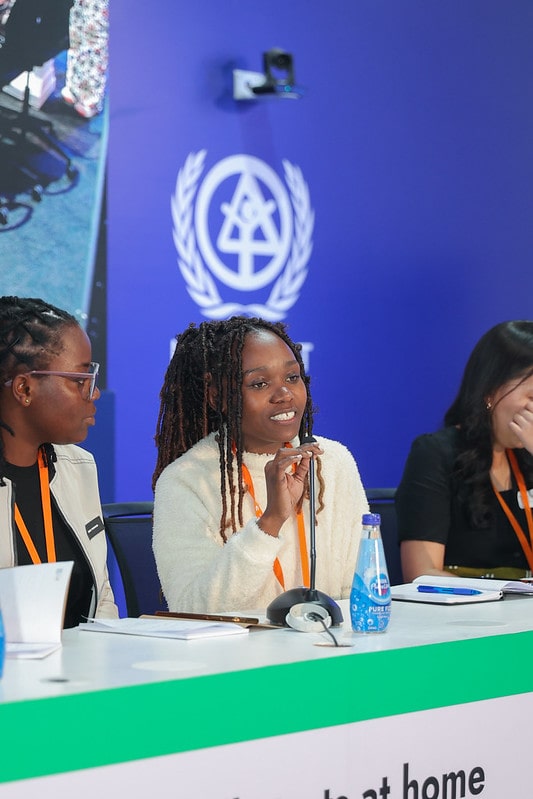
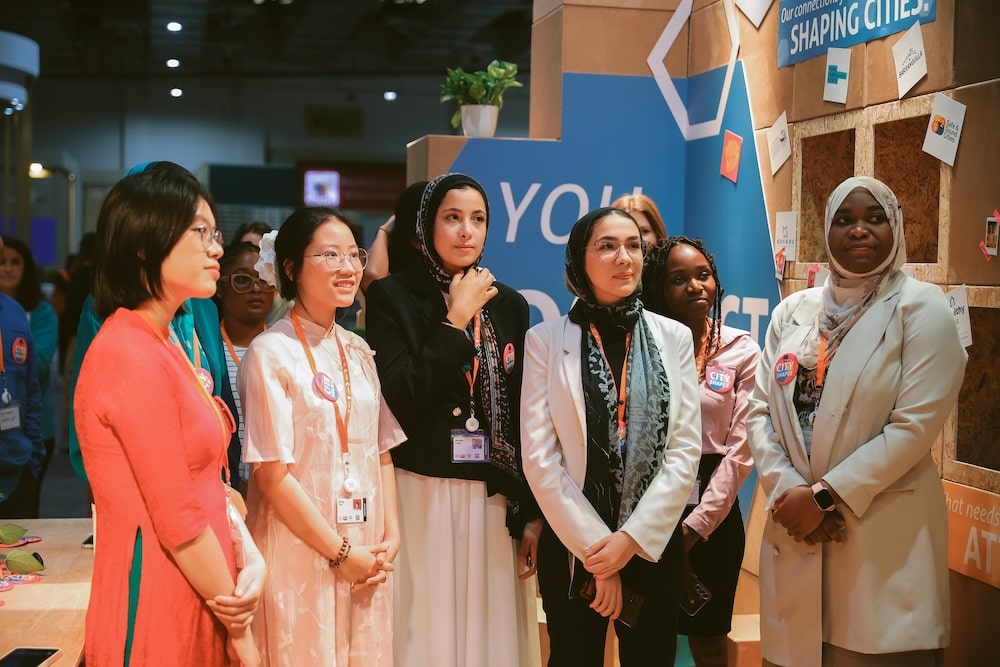
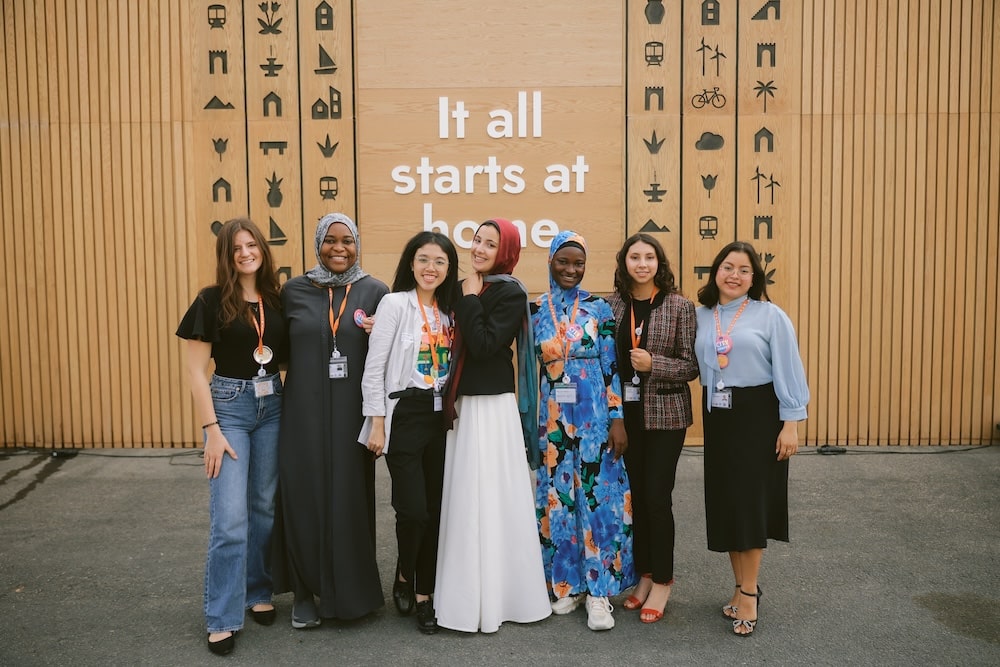
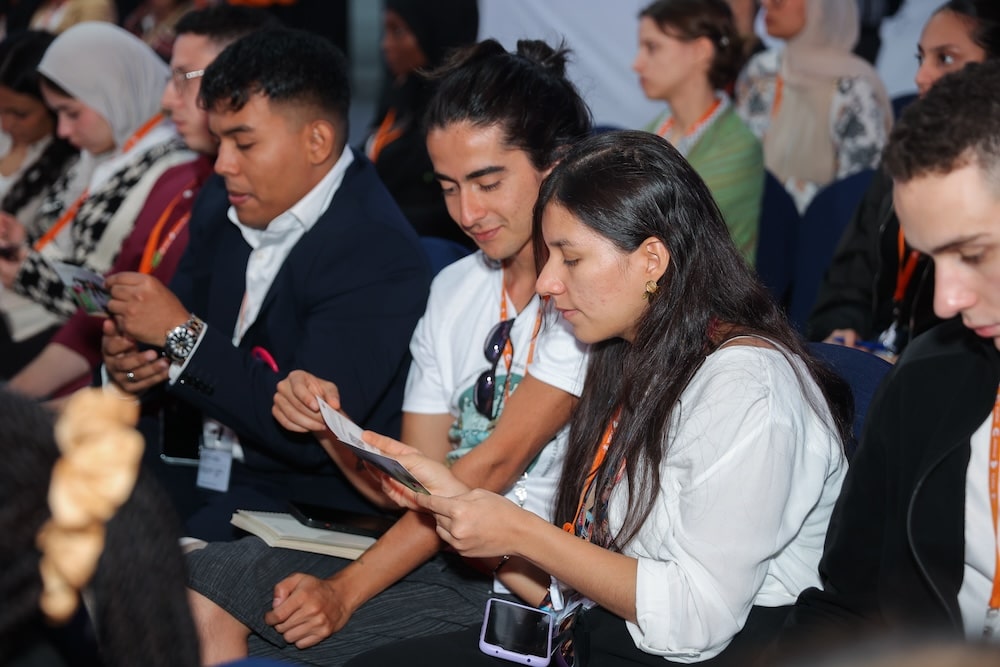
In November, the World Urban Forum (WUF12) in Cairo showcased the critical role of youth leadership in urban governance. Under the theme “It All Starts at Home: Local Actions for Sustainable Cities and Communities,” 42 young leaders, known as City Shapers, demonstrated how youth-led initiatives are reshaping cities into inclusive, sustainable, and liveable spaces.
Representing Fondation Botnar-supported programmes like OurCity, S²Cities, and Healthy Cities for Adolescents, the City Shapers shared innovative solutions, showing the power of linking local action with global frameworks. Their participation reinforced that young people are not just participants but key drivers of urban transformation.
Young people should not just be the recipients of policy but the co-creators of policy that affect us.
Sarah Syed
UN-Habitat Youth Advisory Board
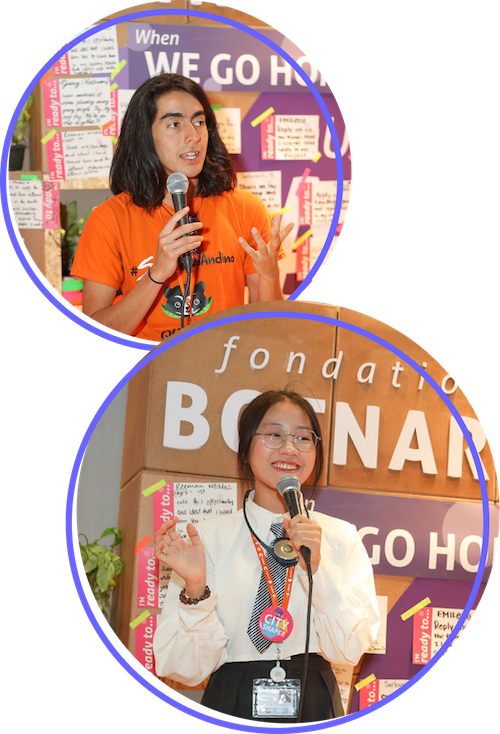
The City Shapers at WUF12 reaffirmed that young people are not just future leaders but essential in driving the movement for sustainable and inclusive urban development. Fondation Botnar remains committed to creating spaces for and with young people to lead—not just consult—ensuring their voices shape the cities of today and tomorrow.