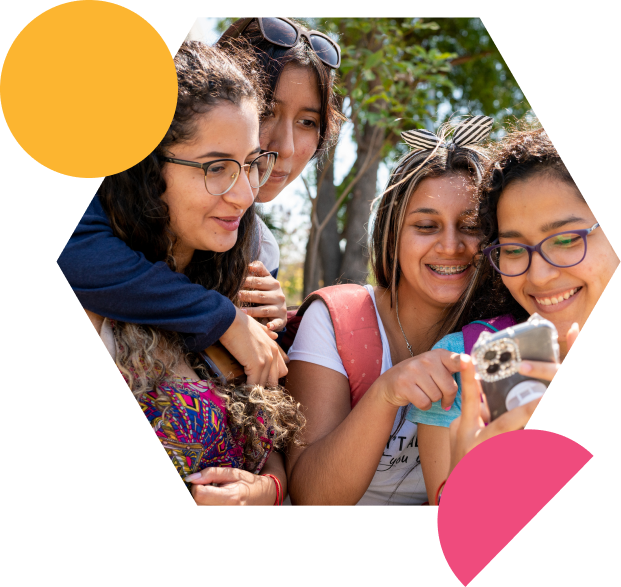

Pathways to young people’s wellbeing
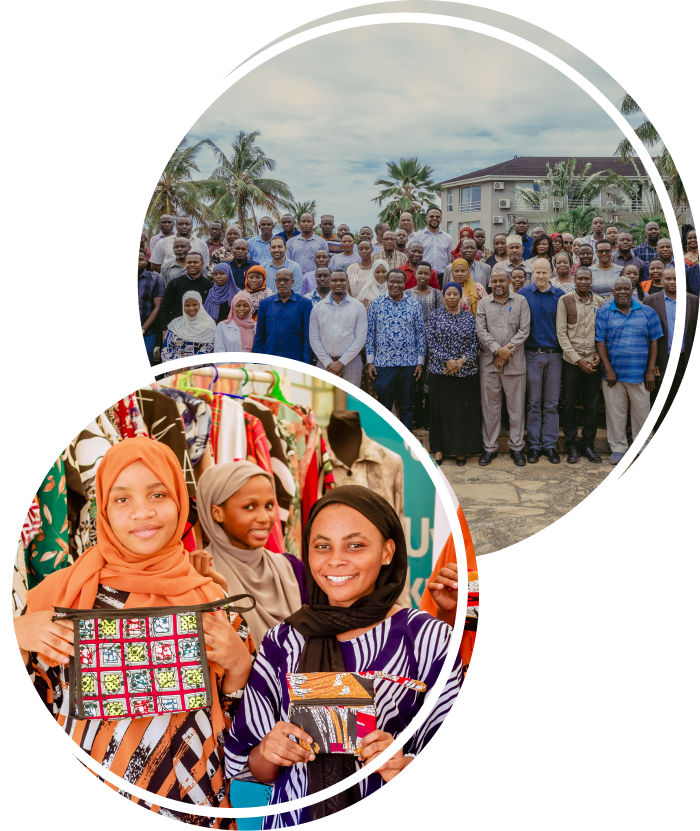
Our refined philanthropic strategy, Pathways to young people’s wellbeing, released in 2024, will guide our philanthropic engagement until 2030. Our aim is to contribute to the conditions that enable young people to thrive, particularly in low- and middle-income countries.
We work in the urban and digital spaces where young people live, learn, work, connect, and play. Our work focuses on four interrelated thematic areas: enabling liveable and sustainable city systems; enabling a human rights-based digital transformation; promoting mental health; and strengthening quality public education, guided by shared working principles.
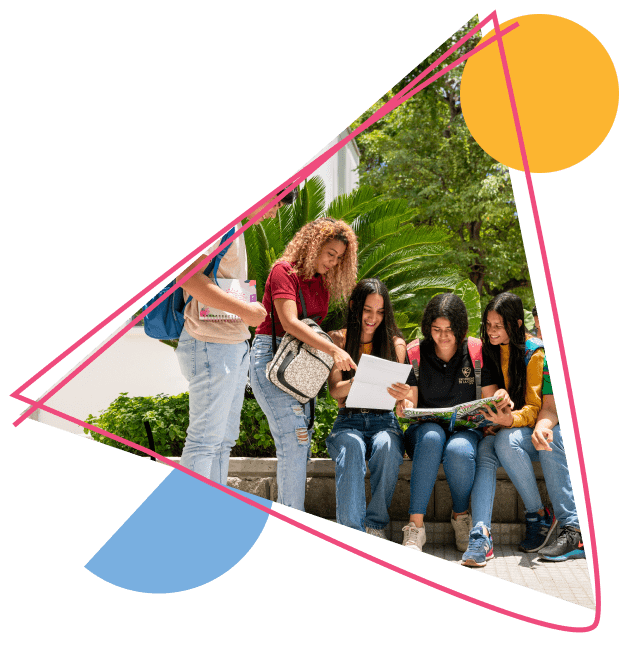
Working principles
A set of working principles guides our philanthropic work and partnerships. These express our approach to how we can best contribute to creating the conditions for young people’s wellbeing.
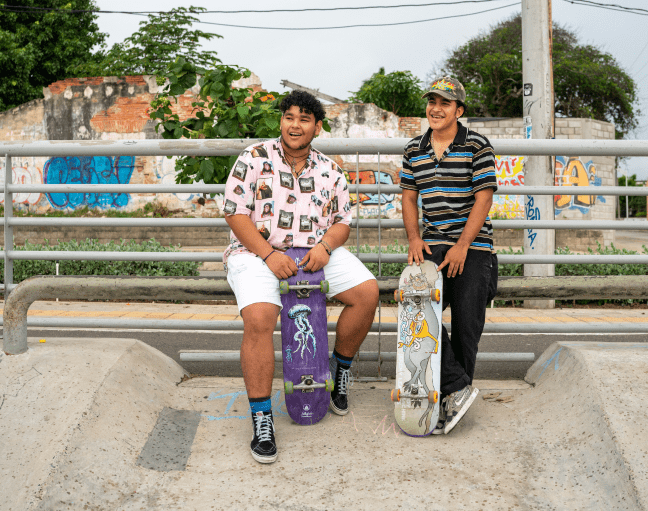
Enabling liveable and sustainable city systems
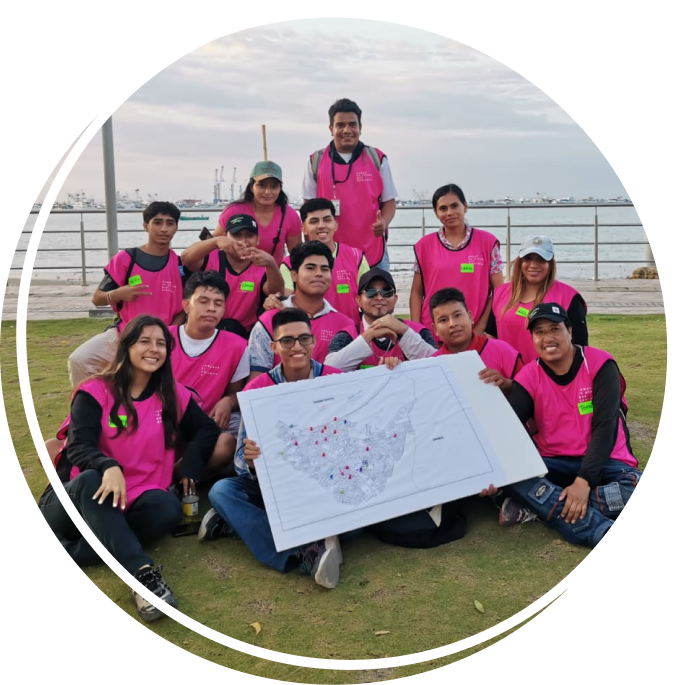
As more young people grow up in urban areas, millions live in cities that aren’t ready to support them. With innovative new approaches and ways of working together, we can reimagine urban environments that are healthy, sustainable and liveable.
Enabling a human rights-based digital transformation
Today’s young people are the first generation born and raised in the digital age, with AI and digital technologies offering unprecedented opportunities and challenges. Human rights-based governance is crucial to harnessing the benefits of these technologies for all, ensuring protection from potential harm and thereby enhancing young people’s opportunities and connectivity in a responsible way.

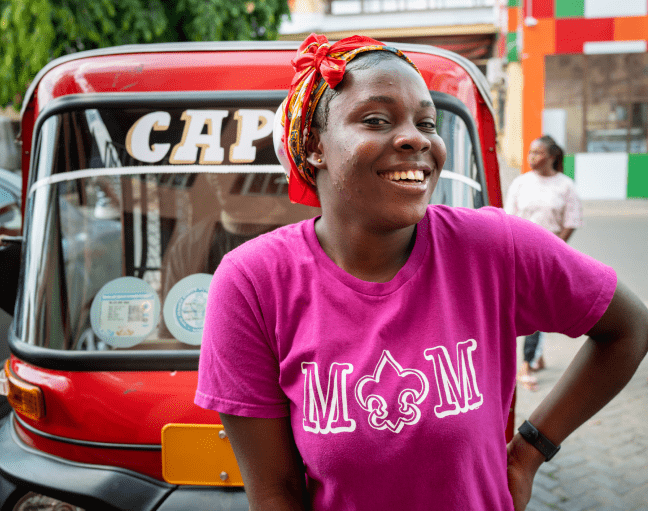
Promoting mental health
In adolescence, young people experience physical, cognitive and emotional developments impacting their mental health and future wellbeing, but about 10% face mental health challenges. We can positively impact adolescent mental health by focusing on prevention and early intervention, by addressing the unique stressors of mental health in urban and digital spaces.
Strengthening quality public education
Today’s education systems must prepare young people for a rapidly changing world but struggle with limited resources, outdated curricula and diverse student needs. We have an opportunity to improve education by involving communities, particularly in the effective use of technology and in decisions about its role in learning, to ensure that it supports rather than burdens teachers and students.
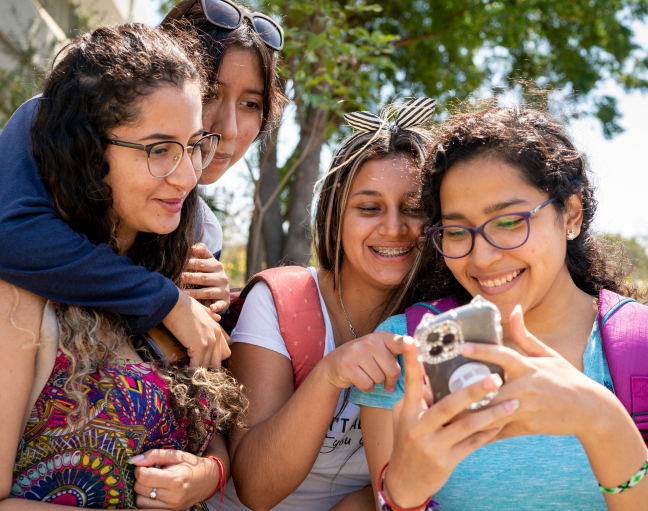

Botnar Institute of Immune Engineering (BIIE)
The BIIE will advance immune engineering and child health globally, innovating medical solutions to improve young people’s wellbeing.
Impact Generation videos
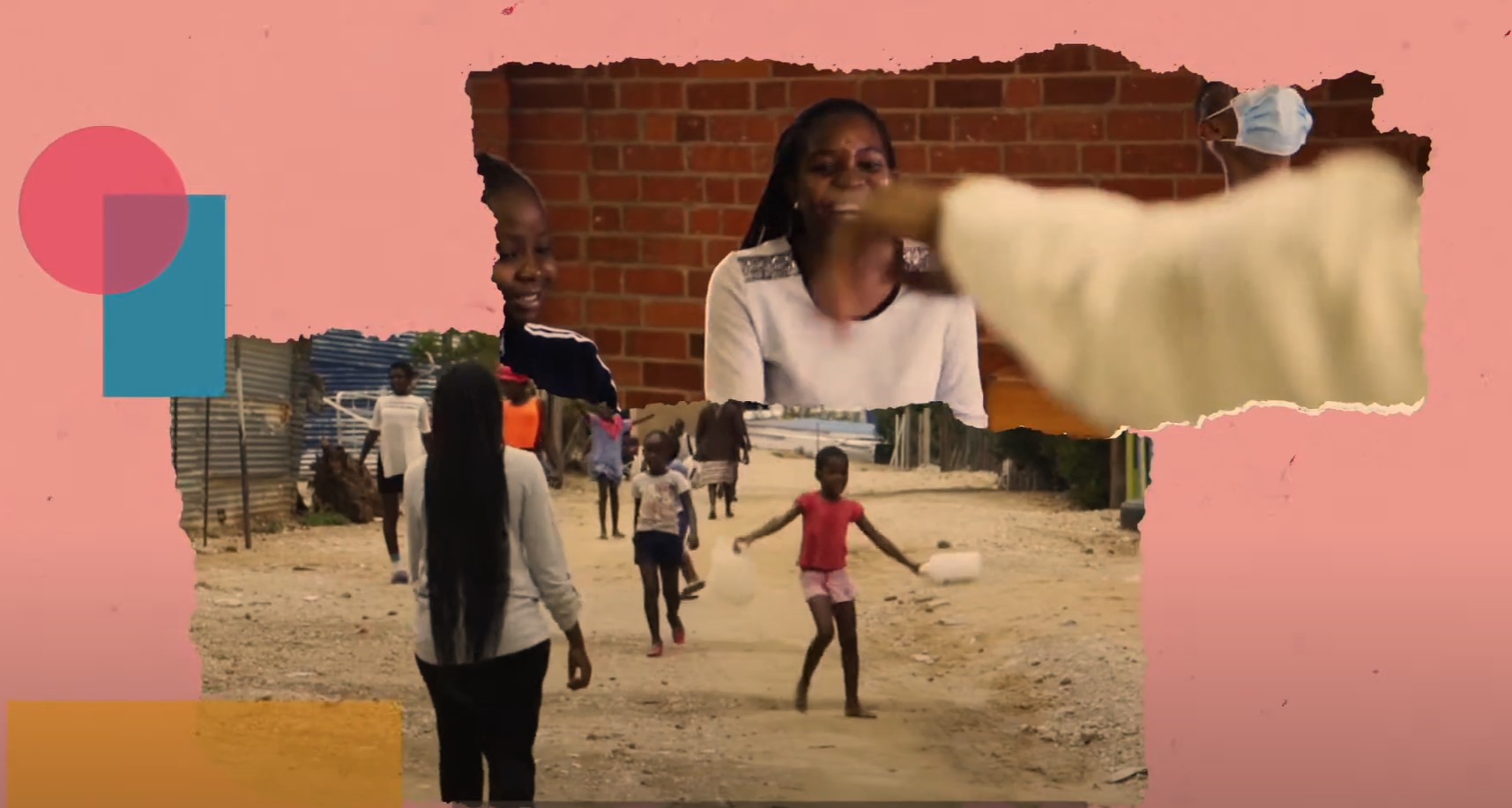
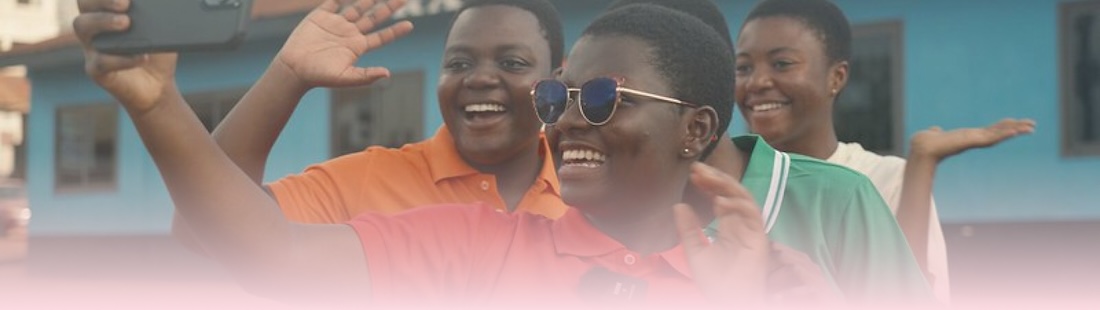
Explore how our work and partners are helping to improve young people’s lives in cities around the world in our Impact Generation series.
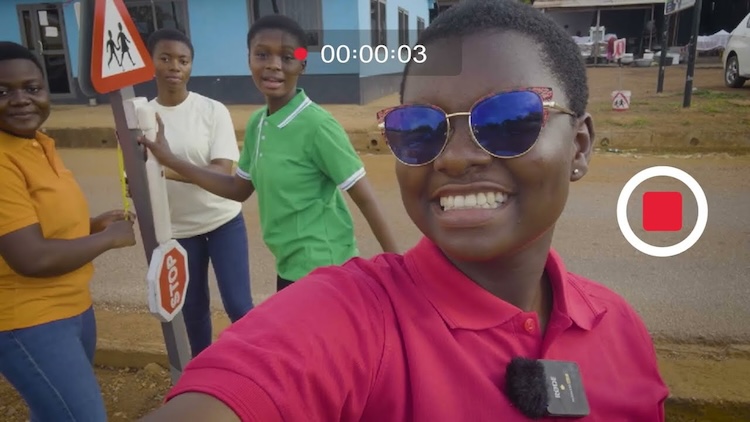
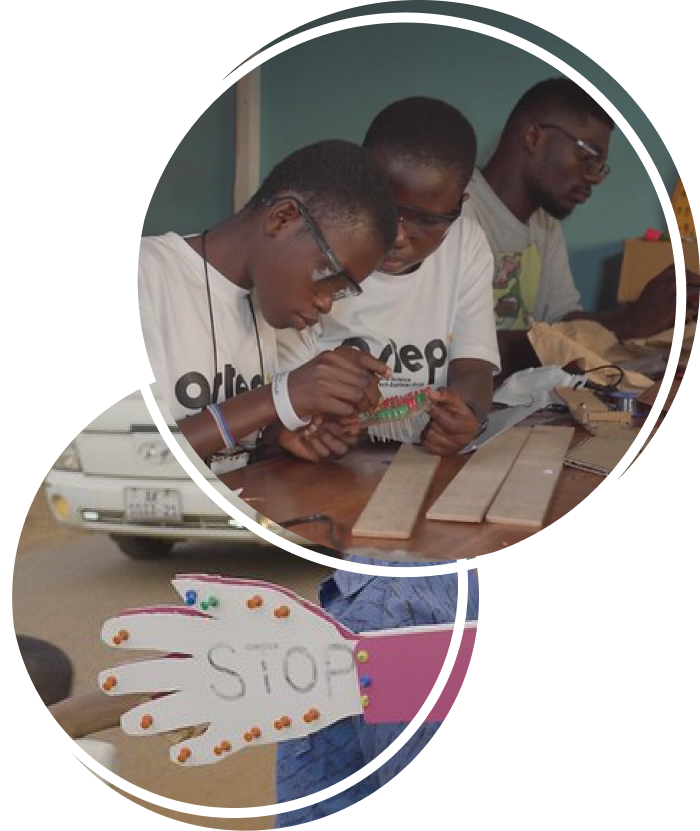
Impact Generation with Priscilla and GSTEP
Impact Generation with Alex and S²Cities
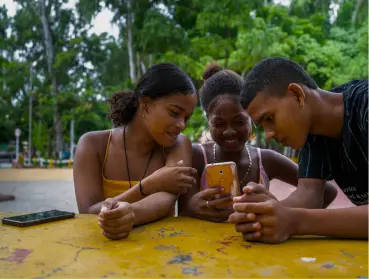
Impact Generation with Swandewi and BASAIbu
Impact Generation with Nikita and Safetipin
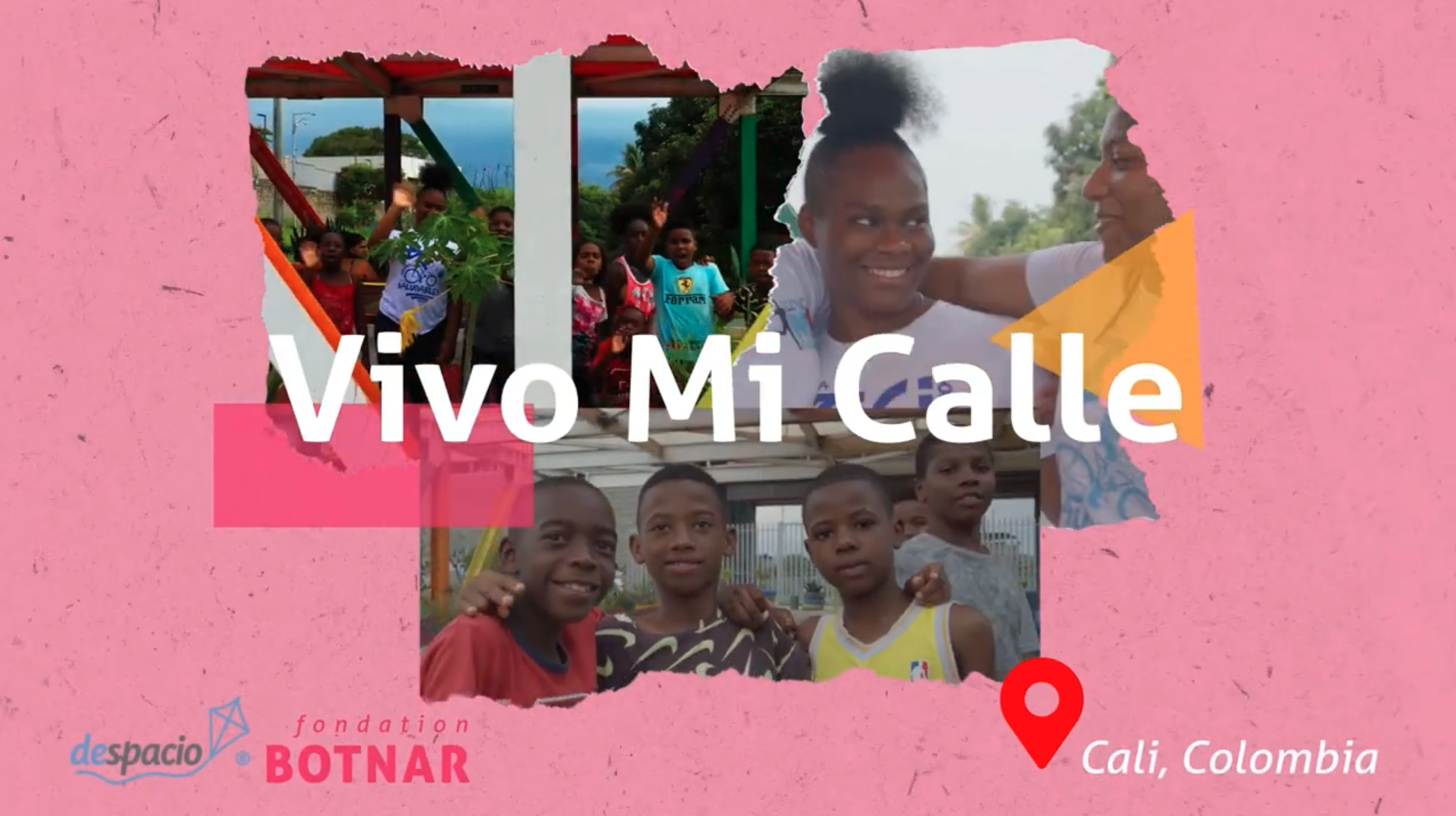
Impact Generation with Adriana and Vivo Mi Calle